China Top I Mix Concrete Suppliers for Global Buyers
Choosing reliable i mix concrete suppliers in China requires more than comparing prices on a product page. Global buyers need consistent quality, clear specifications, and dependable communication before placing an order. This guide examines leading Chinese suppliers serving international construction markets, with attention to production capacity, technical support, export experience, and project suitability.
A professional supplier should provide mix design details, strength ratings, aggregate information, and curing recommendations. Independent laboratory reports can support these claims. Buyers should also review factory experience, quality-control procedures, packaging methods, and shipping arrangements. A well-organized supplier may offer trial batches, sample testing, and documentation for each shipment. Small details matter. Moisture content can affect performance.
This overview considers suppliers for infrastructure, commercial buildings, precast components, and residential projects. It also explains how buyers can compare batching equipment, delivery schedules, technical service, and after-sales support. Regional climate, transport distance, and site conditions may change the best purchasing decision. A supplier successful in Shanghai may not fit a remote overseas project.
No supplier is perfect. Delays, specification misunderstandings, or changing raw-material costs can still occur. Buyers should ask direct questions and confirm every requirement in writing. Certifications are useful, but they do not replace practical verification. Factory audits, reference projects, and third-party inspections can reveal important gaps. The following sections provide a balanced starting point for global buyers seeking capable, transparent, and technically reliable i mix concrete partners in China.
What Is Ready-Mix Concrete and Why Source It from China?
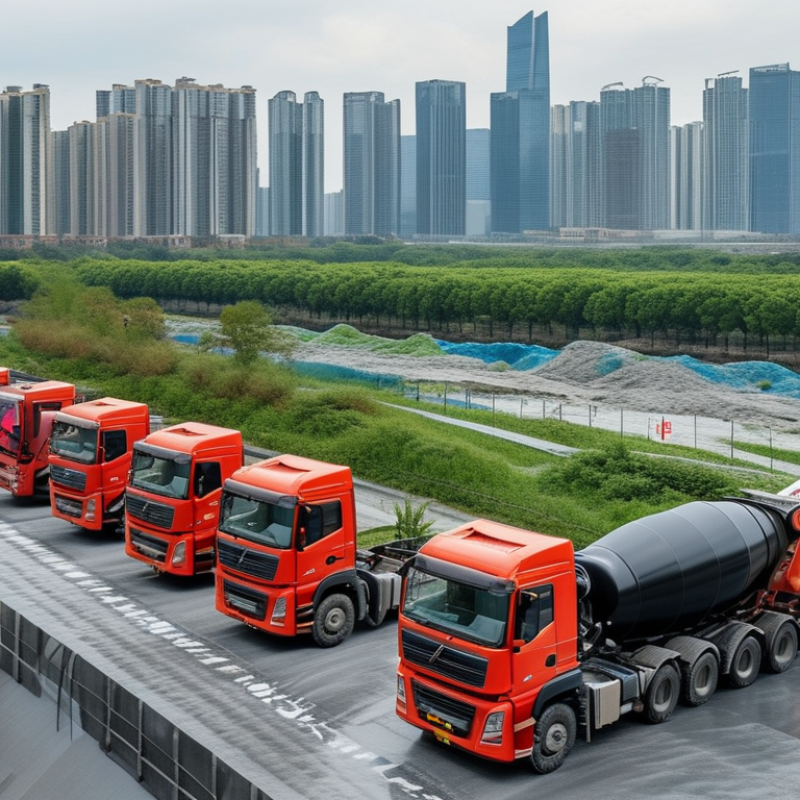
Ready-mix concrete is factory-batched concrete delivered to construction sites in mixer trucks. Cement, aggregates, water, and admixtures are measured under controlled conditions. This process improves consistency and reduces on-site labor. However, delivery time still affects slump and workability. The Global Cement and Concrete Association estimates that concrete causes about 7% of global carbon dioxide emissions. Therefore, mix design deserves serious attention. Lower-clinker cement, recycled aggregates, and suitable strength classes may reduce environmental impact.
China’s large cement and construction-material supply chain can support competitive international sourcing. The USGS Mineral Commodity Summaries 2024 reported global cement production near 4.1 billion tonnes in 2023, with China producing roughly half. This scale can help buyers access varied grades, admixtures, and batching capacity. Yet scale does not guarantee every shipment is reliable. A low quotation may hide testing gaps, port delays, or unsuitable delivery distances. I would not treat one factory certificate as proof of every batch.
Tips: Request batch tickets, compressive-strength results, slump records, and admixture details. Confirm whether testing follows GB, EN, ASTM, or project-specific standards. Check chloride limits for coastal projects. Also, calculate the complete landed cost, including inland transport and rejected-load risks. A practical trial batch is wiser than trusting photographs. Slight differences in aggregate moisture can change the final mix. That detail is easy to overlook.
Key Criteria for Evaluating Chinese Ready-Mix Concrete Suppliers
Choosing a Chinese ready-mix concrete supplier requires more than comparing prices. The supplier should provide valid production licenses, laboratory records, and recent test reports. Check compressive strength results at 7 and 28 days. Ask how cement, sand, aggregates, and admixtures are stored. Clean, covered storage reduces moisture changes and contamination. Calibration records for batching scales also matter. Small errors can weaken an entire pour.
Production capacity must match your project schedule. Request the plant’s hourly output, truck fleet size, and average delivery radius. A reliable supplier should explain how it handles traffic, rain, equipment failure, and urgent orders. Trial batches are valuable. They reveal slump retention, setting time, pumpability, and surface finish before large-scale placement. I would also inspect sample mix designs and compare them with local standards and site conditions. A laboratory report alone is not enough.
Communication shows professional maturity. The supplier should name a technical contact, confirm mix tolerances in writing, and report material changes before delivery. Visit the plant if possible. In practice, a tidy office can hide weak quality control. No supplier is flawless. Some may have excellent testing but limited night delivery. Others may offer fast logistics but weak documentation. That trade-off deserves honest discussion. Confirm payment terms, inspection rights, rejection procedures, and liability clauses before signing. Keep batch tickets, delivery times, temperature readings, and placement records for every pour.
Top Chinese Ready-Mix Concrete Suppliers for International Buyers
International buyers need more than a low quotation when sourcing top Chinese ready-mix concrete suppliers. Quality begins with a clear mix design, verified aggregates, and cement records linked to each production batch. Experienced suppliers should explain slump control, strength classes, setting time, and temperature limits in practical terms. Ask for recent laboratory reports, not attractive promises. Photos help. Test data matters more.
Fresh concrete is time-sensitive, so confirm local batching or regional production plans for overseas projects. Before ordering, check plant capacity, delivery radius, truck availability, and backup arrangements. A reliable supplier can share calibration records for weighing systems and testing equipment. Independent inspection may help with foundations, bridges, or repeated projects. Request sample invoices, certificates, testing records, and export documents with sensitive details removed. Small omissions can become expensive delays.
International projects also require careful communication. Discuss local standards, curing conditions, language support, payment terms, and responsibility for site testing. Some suppliers respond quickly but provide vague technical evidence. That deserves caution, not immediate rejection. A video factory tour is useful, yet it cannot replace an audit or trial batch. Keep written approval records. Concrete is unforgiving. Even a capable supplier may need clearer instructions from the buyer. This is where trust is tested.
Quality Standards, Certifications, and Production Capabilities
China Top I Mix Concrete Suppliers for Global Buyers
Reliable concrete suppliers demonstrate quality through repeatable processes, not attractive promises. Their plants should show calibrated weighing systems, controlled water dosing, and clean aggregate storage. Production teams need documented mix designs for strength classes, workability, setting time, and exposure conditions. Fresh concrete testing may include slump checks, temperature readings, and air-content measurements. Hardened samples should be cured and tested by trained technicians at defined ages.
Certifications can support credibility, but buyers must inspect their scope and validity. An ISO 9001 certificate may indicate a structured quality system, while environmental and occupational certifications show wider operational control. Product compliance should also match the destination market’s standards, such as EN, ASTM, or GB requirements. Independent laboratory reports, batch records, and traceability codes make claims easier to verify. That matters.
Production capability requires more than a large mixer. Buyers should review hourly output, storage capacity, backup power, loading speed, and delivery planning. A supplier producing consistent batches during peak demand is more valuable than one showing impressive equipment only during a visit. However, no quality system is flawless. Some records may be incomplete, and test results can vary with materials or weather. This deserves honest discussion, not hidden wording. Request recent samples, audit the plant, and compare laboratory data with field performance before signing a long-term supply agreement.
How Global Buyers Can Select and Import Ready-Mix Concrete Suppliers
China Top I Mix Concrete Suppliers for Global Buyers
How Global Buyers Can Select and Import Ready-Mix Concrete Suppliers
Selecting a ready-mix concrete supplier requires more than comparing prices. Confirm the required strength, slump, aggregate size, setting time, and placement method. Ask for recent laboratory reports, production records, and test-cube results. These documents show process control better than polished sales promises. Request the mix design in writing. Small differences can affect pumping, curing, and final durability.
Visit the batching plant when practical, or arrange a live video inspection. Check cement storage, aggregate separation, moisture testing, weighing systems, and backup power. Ask how the supplier handles rejected batches and delivery delays. A reliable supplier should explain quality procedures clearly and provide traceable batch numbers. Verify compliance with the destination country’s construction standards and import rules. Local engineers should review the technical documents before purchase.
Ready-mix concrete has a narrow delivery window. Long ocean transport is usually unsuitable for fresh concrete, so buyers should examine regional production, mobile batching, or approved dry-mix alternatives. Confirm delivery terms, packaging, customs documents, insurance, and responsibility for testing. Start with a controlled trial order, not a large project commitment. A low quotation may hide weak after-sales support or incomplete testing. My own review can also become too document-focused; site capability deserves equal attention. Keep a written risk list, even when the supplier appears experienced.
Concrete Strength Classes for Global Supplier Selection
EN 206 strength classes show the characteristic compressive strength of concrete at 28 days. Global buyers can use these standardized values to compare supplier quotations and confirm whether the proposed mix meets project requirements.
Data basis: EN 206 concrete strength-class notation. The first value represents characteristic cylinder strength, and the second value represents characteristic cube strength, both in MPa.