What Is an Arc MMA Welder and How Does It Work?

An Arc Mma Welder creates a strong joint by striking an electric arc between a flux-coated electrode and the workpiece. The arc’s heat melts both the electrode tip and the edges of the metal. As the weld cools, the flux forms a protective slag layer over the bead. It is a practical process for repairs, fabrication, and work outdoors.

The equipment is often called a stick welder or manual metal arc (MMA) welder. Its main parts are simple: a power source, an electrode holder, a work clamp, and a suitable electrode. Yet getting a clean weld takes practice. You must control the arc length, travel speed, and electrode angle while keeping a steady hand. Small changes matter.

This guide explains how the machine works, how current and electrodes affect the weld, and what to consider when choosing a setup. It also covers basic preparation and safe working habits, including eye protection, gloves, and good ventilation. Keep metal clean and secure before striking an arc. Expect some spatter. The first bead may look uneven, and that is useful feedback, not proof that the process has failed. MMA welding is dependable, but it is not effortless; results depend on the material, settings, and technique.
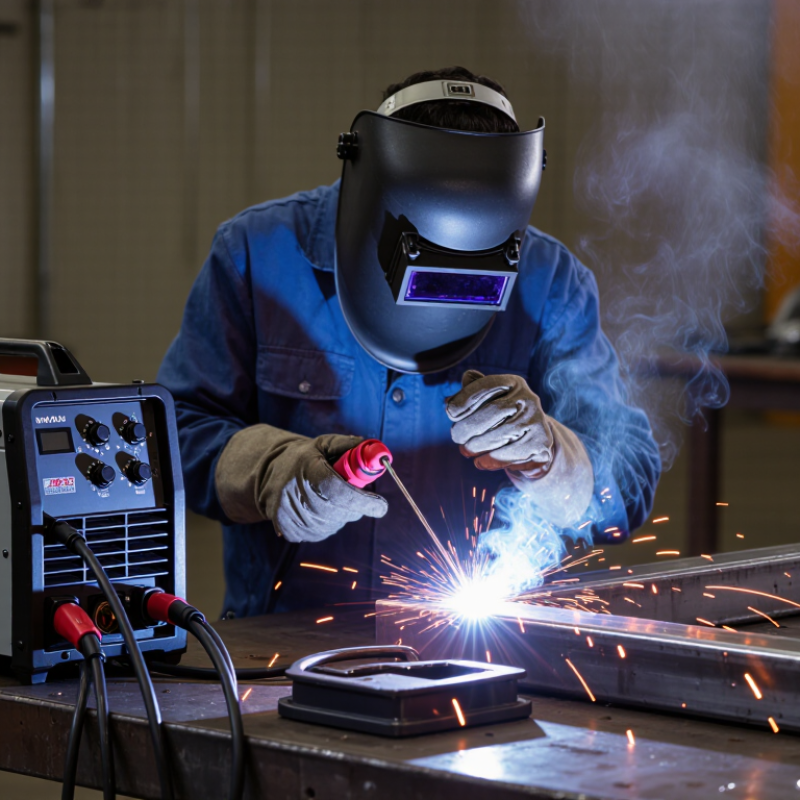
What Is an Arc MMA Welder and How Does It Work?

What an Arc MMA Welder Is

An arc MMA welder is a machine used for manual metal arc welding, often called stick welding. It creates an electric arc between a flux-coated metal electrode and the workpiece. Most machines provide a steady welding current, while the operator guides the electrode by hand. The arc’s heat melts both the electrode tip and a small area of the base metal, joining them as they cool.

The electrode coating releases shielding gases and forms a layer of slag over the weld pool. This helps protect hot metal from contamination; the cooled slag is chipped away afterward.

The explanation is neat; the actual bead often isn’t.

Arc length, travel speed, and electrode angle all affect the result, and small changes can leave uneven welds. MMA equipment is valued for its relatively simple setup and portability, but it still requires suitable protective clothing, eye protection, and good ventilation.

Main Components of an MMA Welding System

An MMA welding system has a power source, two welding leads, an electrode holder, a work clamp, and a coated electrode. The power source converts mains electricity into a controlled welding current. Many machines allow current adjustment, which helps match the electrode diameter and workpiece thickness. Too little current can make the electrode stick; too much can cause excessive spatter or burn-through.

The electrode holder grips the rod and carries current to it. One lead connects the holder to the power source, while the other connects the work clamp to the workpiece. That clamp completes the circuit. Keep its contact area clean and firmly attached; paint or rust can interfere. The electrode’s metal core fills the joint, and its coating creates shielding gas and slag as it melts. Small details matter. Check the machine’s polarity guidance for the chosen electrode, since the recommended connection can vary. A face shield, suitable gloves, and protective clothing are also essential parts of a safe working setup. It is tempting to blame an uneven bead on the power source, but a loose clamp or damp electrode may be the real cause.

What Is an Arc MMA Welder and How Does It Work?

Typical Welding Current by Electrode Diameter

MMA (manual metal arc) welding uses a power source to create an arc between a flux-coated electrode and the workpiece. The power source controls the welding current; the electrode holder grips and conducts current to the electrode; and the work clamp and return lead complete the circuit. The chart shows typical current ranges, which vary with electrode type, welding position, and manufacturer recommendations.

How an MMA Welder Generates an Electric Arc

An MMA (manual metal arc) welder creates an arc between a coated electrode and the workpiece. Its power source supplies current through the electrode holder, while a return lead completes the circuit through the metal. When the electrode briefly touches the workpiece and lifts, current jumps across the small gap. That gap matters. The electrical energy ionizes the air and forms a hot, conductive plasma: the arc. It melts the electrode tip and the metal beneath it, forming a weld pool.

The American Welding Society’s Welding Handbook describes shielded metal arc welding as a constant-current process. Typical arc voltage is about 20–30 volts, though current settings depend on electrode size, position, and material. The electrode’s flux coating also helps generate shielding gas and forms slag over the cooling bead. A steady hand helps, but arc length changes are hard to avoid. Even a small change can make the arc sputter or the bead uneven.

Tips: Check the electrode’s recommended current range before striking. Keep the work clamp firmly attached to clean metal, and listen for a steady crackle. If the electrode sticks, pause and reset rather than forcing it; that small habit can improve control. First attempts may look rough. That is normal.

How to Create a Weld with an MMA Welder

Before striking an arc with an MMA welder, clean rust, paint, and oil from the joint. Clamp the work securely, attach the return lead to clean metal, and wear a welding helmet, gloves, and flame-resistant clothing. Use suitable ventilation. Choose an electrode for the base metal, thickness, and welding position, then set current within its recommended range. The electrode packet or a qualified welding procedure can guide that choice. Too much current can cause spatter and undercut; too little may make the arc stick.

Strike the arc with a brief scratch or tap, then hold a short, steady arc—roughly near the electrode’s core diameter. Move along the joint with a slight travel angle, keeping your hand speed consistent. Pause briefly at the edges if the joint needs fuller coverage. My bead would not always look even on the first pass; that is a useful reason to stop, inspect, and adjust rather than simply weld over defects. Let the weld cool enough to handle, remove the slag with a chipping tool, and check for visible gaps, cracks, or uneven fusion. The U.S. Bureau of Labor Statistics’ 2023–33 Occupational Outlook Handbook projects about 45,800 annual openings for welding-related occupations, underscoring the value of sound, repeatable technique. This figure is workforce context, not a welding-quality measure.

Common Uses and Limitations of MMA Welding

What Is an Arc MMA Welder and How Does It Work?

Manual metal arc (MMA) welding, also called shielded metal arc welding, uses a consumable, flux-coated electrode to create an arc and join metal. The flux forms protective gas and slag around the molten weld. It is a practical choice for outdoor repairs, construction steel, farm machinery, and maintenance work. No shielding-gas cylinder is needed.

MMA handles rusty or less-than-perfect surfaces better than some processes, though clean metal still makes a stronger, more consistent joint. It is useful on remote jobs where equipment must stay simple. But electrode changes interrupt work, and slag must be chipped away between passes. Thin sheet metal can burn through easily. It takes practice. The U.S. Bureau of Labor Statistics projects about 45,800 annual openings for welders, cutters, solderers, and brazers from 2023 to 2033, reflecting demand across repair and manufacturing settings. That figure covers many welding processes, not MMA alone.

Tips: Keep spare, dry electrodes nearby, and match electrode type and diameter to the metal and job. Brush away slag before adding another pass. Wind is less troublesome than with gas-shielded methods, but damp electrodes can cause unstable arcs and porous welds. Check the weld in good light. A bead can look neat and still have poor fusion. I find that easy to underestimate.

What Is an Arc MMA Welder and How Does It Work? — Common Uses and Limitations

Topic or Use How MMA Welding Works Common Applications Key Limitations
Process basics An electric arc forms between a consumable, flux-coated electrode and the workpiece. The electrode supplies filler metal; its flux coating creates shielding gases and slag as it melts. Manual repair, fabrication, maintenance, and construction work. The operator must control arc length, travel speed, and electrode angle. Slag usually needs to be removed between passes.
Carbon and low-alloy steel Suitable electrodes are selected for the steel type, joint, position, and required weld properties. Frames, brackets, gates, equipment repairs, structural components, and general steel fabrication. Weld quality depends on correct electrode selection, clean joint preparation, and sound technique. Some applications require qualified procedures and inspection.
Outdoor and remote work The electrode coating provides shielding at the arc, so the process does not rely on an external shielding-gas cylinder. Field repairs and work at sites where transporting gas equipment is inconvenient. Wind can still disturb the arc and reduce weld quality. Rain, damp conditions, and unsafe electrical setups must be avoided.
Different welding positions Many electrode types can be used in more than one position, but the electrode classification and manufacturer’s instructions determine suitability. Repairs and assemblies where joints cannot be positioned flat. Vertical and overhead welding generally require more skill and careful control than flat-position welding.
Thick steel and multi-pass joints Multiple weld passes can build up weld metal and fill thicker joints when the machine, electrode, and joint preparation are appropriate. Heavy repairs, structural work, and thicker steel components. Multi-pass work takes time. Interpass cleaning is important, and heat input must be controlled to meet the job requirements.
Thin sheet metal Low-current operation and small electrodes may be possible with suitable equipment and technique. Occasional light-gauge repairs where MMA equipment is already available. Burn-through and distortion are more likely than with processes commonly used for thin sheet, especially for inexperienced operators.
Stainless steel Stainless-steel MMA electrodes are available for compatible stainless grades and service requirements. Maintenance and fabrication of stainless components when the correct consumable is selected. Incorrect filler selection or poor heat control can affect corrosion resistance and weld performance. Post-weld cleaning may be needed.
Cast iron and other specialty metals Special electrodes and carefully controlled procedures can be used for some cast-iron repairs and other specialty work. Selected repairs where the material and service conditions are understood. These jobs can be crack-sensitive and may need preheating, controlled cooling, or specialist procedures. Aluminum MMA welding is possible with specialty electrodes but is generally less common and more challenging.
Productivity and finish The process uses a simple electrode holder and power source, with no wire-feed system required. Small batches, repair work, and jobs involving varied locations or short welds. Electrodes must be changed as they are consumed, and slag removal adds work. This can make MMA slower than continuous-wire processes for long production welds.
MMA (Manual Metal Arc) welding is also commonly called shielded metal arc welding (SMAW). Material suitability, current settings, and thickness capability depend on the equipment, electrode, joint design, and applicable welding procedure.