Why Is Concrete Truck Delivery So Expensive?
Why does a short concrete pour sometimes cost more than expected? Concrete truck delivery includes far more than the material inside the drum. The quoted price may cover cement, aggregates, water, plant labor, fuel, dispatching, and equipment maintenance. It may also include a minimum-load charge. A nearly empty truck still consumes time and fuel.
Distance matters, but it is not the only factor. A truck traveling from a nearby plant can still become expensive during heavy traffic or long site delays. Concrete begins losing workability after mixing. Crews must place and finish it promptly. If a truck waits beside the driveway for forty minutes, labor and scheduling costs can increase. Some suppliers also charge extra for difficult access, weekend work, overtime, or small residential orders. The details are easy to miss.
A reliable estimate should separate material volume from delivery and service fees. Measure the required concrete carefully, then add a reasonable allowance for waste. Ask whether pumping, washout, waiting time, and additional loads are included. A narrow gate, soft ground, or steep driveway can change the plan. Weather can change it again.
There is no single universal price. Local demand, aggregate availability, fuel costs, and supplier policies all influence the final quote. Online estimates may help, but they can be incomplete. The best comparison uses written quotes from nearby suppliers and identical project details. Even then, one assumption may be wrong. Review the invoice before scheduling, and confirm every possible surcharge. That small step can prevent an unpleasant surprise when the truck arrives.

What Concrete Truck Delivery Includes
Concrete truck delivery includes more than a truck arriving at your driveway. The quoted price usually covers measured concrete ingredients, plant batching, loading, and transport to the job site. It may also include a standard discharge period, often limited by the delivery agreement. The driver positions the rotating drum and releases concrete through a chute into forms, slabs, footings, or wheelbarrows.
Site conditions can change the final cost. A narrow gate, soft ground, steep access, or long distance from the truck to the pour may require extra equipment or labor. Concrete pumping, extended chutes, traffic control, and unusual waiting time are commonly charged separately. Confirm these details before scheduling.
Ask what the delivery fee includes.
A reliable order also depends on accurate volume calculations. Measure length, width, and depth, then add a small allowance for uneven ground and minor waste. Too little concrete can interrupt a pour badly. Too much leaves costly leftovers. I have seen estimates fail because they ignored a sloped driveway or thickened edge. That mistake is easy to make, even with careful planning.
Delivery timing matters because concrete remains workable for a limited period. Keep the forms ready, clear the access route, and arrange enough workers before the truck arrives. The driver may check site safety and access, but the customer usually remains responsible for preparation. Washout procedures should also be confirmed, since leftover concrete cannot simply be discarded anywhere.
How Distance and Travel Time Affect Delivery Costs
Why Is Concrete Truck Delivery So Expensive?
How Distance and Travel Time Affect Delivery Costs
Concrete delivery often costs more because the truck is not simply carrying material. It is carrying a limited working window. Fresh concrete begins changing as soon as water meets cement. A truck may need to arrive, discharge, and return within a planned cycle. When the site is 25 miles away, fuel and driver hours rise. The load also occupies the truck during that trip, preventing another nearby delivery. Small delays can become expensive.
Traffic makes distance more complicated. A six-mile route through a busy city can take longer than 20 open-road miles. Every idle minute burns fuel and keeps the mixer rotating. Drivers may also face narrow entrances, waiting equipment, or an unfinished foundation. In my project observations, a ten-minute delay rarely feels serious at first. Yet repeated across several trucks, it can create labor charges, scheduling gaps, and wasted concrete. The estimate is not always perfect.
Travel time also affects placement quality. If concrete arrives late, crews may rush finishing work or extend the pour into poor conditions. Extra transport time can require tighter dispatch planning, additional trucks, or smaller delivery intervals. A practical estimate should examine mileage, average traffic, road restrictions, unloading time, and return distance. Ask for these assumptions in writing. That makes the price easier to test, although real traffic can still surprise everyone.
Why Concrete Mix Requirements Change the Price
Why Is Concrete Truck Delivery So Expensive?
Why Concrete Mix Requirements Change the Price
Concrete delivery costs depend heavily on the mix specified for the project. A basic driveway mix may require standard strength and ordinary aggregates. A structural footing often needs higher strength, tighter testing, and carefully measured ingredients.
More cement usually raises the material cost. It can also increase mixing time and quality-control requirements. A low-slump mix may be harder to place, while a high-slump mix may need approved water reducers. Extra additives can improve workability, setting time, or cold-weather performance.
Small changes add up.
Aggregate size matters too. Smaller aggregate may suit narrow forms, but it can require more paste between particles. Fiber reinforcement, air entrainment, and rapid-setting materials may add separate charges. These requirements are not always visible when comparing delivery quotes.
A site supervisor should confirm the design strength, slump, exposure conditions, and required volume before ordering. Ordering extra concrete reduces the risk of a cold joint, but unused concrete becomes waste. Ordering too little may create a second delivery fee.
One practical mistake is treating every cubic yard as identical. It is not. The batch plant may also charge more for small loads, special scheduling, or extended waiting time. Local testing standards and weather conditions can change the final price. I have seen estimates miss these details, especially when the mix description was too general. That deserves a careful review.
Why Is Concrete Truck Delivery So Expensive?
Concrete mix requirements change the price because stronger, faster-setting, air-entrained, and fiber-reinforced mixes require additional cement, admixtures, testing, or handling. The figures below show indicative U.S. delivered-price planning ranges per cubic yard.
Typical delivered-price midpoint estimates: actual quotes vary by region, order volume, delivery distance, load size, fuel costs, site access, and project specifications.
How Truck Capacity and Minimum Orders Influence Fees
Why Is Concrete Truck Delivery So Expensive?
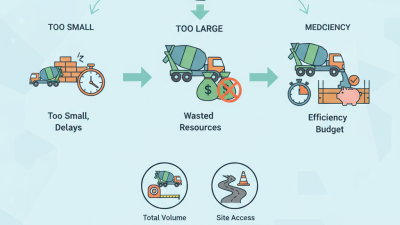
Truck capacity and minimum orders often shape the delivery fee more than the concrete itself. The National Ready Mixed Concrete Association reports that a typical mixer truck carries about 8 to 10 cubic yards. A small patio may need only two cubic yards, leaving most of the drum unused. The truck still requires a driver, fuel, loading time, and a scheduled route. Space is expensive.
Many suppliers therefore set a minimum order or add a short-load fee. This charge helps recover fixed operating costs when the requested volume is low. The U.S. Bureau of Labor Statistics continues to show that transportation and labor remain major cost categories across construction services. A half-empty truck can still spend an hour in traffic, waiting beside a narrow driveway, or washing out after discharge.
Distance adds another layer. The Federal Highway Administration’s freight data shows trucks remain central to domestic material movement, but every extra mile increases fuel use and driver time. Delivery windows also matter. A delayed pour can interrupt several planned loads, creating rescheduling costs. Weather makes the calculation less predictable. Sometimes the estimate feels unfair. Yet the fee may reflect real idle time, not inflated material pricing. Customers can reduce surprises by measuring carefully, asking about minimum quantities, and confirming whether waiting time is billed. Estimates are still imperfect. A congested street can defeat even careful planning.
Which Additional Charges Can Appear on a Concrete Delivery Bill
Why Is Concrete Truck Delivery So Expensive?
A concrete delivery bill includes more than the price of the mix. The base delivery charge often covers truck preparation, dispatching, and travel within a defined service area. Extra distance can add mileage fees, especially when the plant sits far from the project. Some suppliers also apply fuel surcharges when transport costs rise.
Small orders may create a short-load charge. The truck still requires cleaning, loading, and scheduling, even when it carries less concrete. Waiting time is another common addition. Crews may pay when trucks stand idle because forms are unfinished, access is blocked, or workers are not ready. The clock can start earlier than expected. That detail is easy to miss.
After-hours, weekend, or holiday deliveries can cost more because they require special staffing. Pumping, admixtures, fiber, colored materials, and strength upgrades may appear as separate line items. A washout or disposal fee can also apply when leftover concrete cannot remain on site. Taxes and local environmental fees vary by location. They deserve attention.
I have seen estimates look reasonable until these smaller charges accumulate. My earlier assumption was simple: the quoted cubic-yard price covered everything. It did not. Ask for the minimum order, included travel distance, waiting-time rate, cancellation terms, and washing policy in writing. Keep the access route clear and confirm the pour schedule before dispatch. A detailed quote is not always cheaper, but it is easier to trust.