How to Use a Concrete Quote Calculator for Your Construction Project?
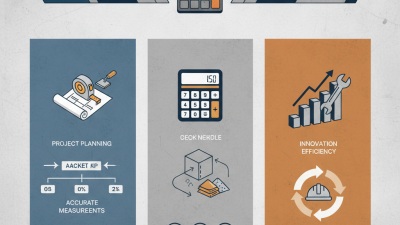
When planning a construction project, accurate budgeting is essential. A "concrete quote calculator" can help you determine costs effectively. John Smith, a seasoned contractor in the construction industry, emphasizes, “Using a concrete quote calculator can make budgeting less daunting.”
This tool simplifies the process. You input measurements and get estimates in seconds. However, some users overlook necessary details. For instance, ignoring concrete thickness or reinforcement needs can lead to unexpected expenses later. A single mistake can spiral into a costly overhead that derails your project timeline.
Moreover, trust in the calculator can vary. While it offers helpful estimates, consulting with a professional is wise. Experts often have insights not captured by calculators. Ensuring your project stays on track requires careful consideration and sometimes, a bit of humility in the choices you make. Embrace the data, but stay aware of the bigger picture.

Understanding the Importance of Concrete Quantity Estimation in Construction
Estimating concrete quantity accurately is crucial in construction projects. A study by the National Ready Mixed Concrete Association reveals that improper estimation can lead to cost overruns of up to 15%. A minor miscalculation can inflate material costs and labor expenses. These overruns can significantly impact project timelines and budgets.
Concrete is typically measured in cubic yards. For instance, if a foundation requires 50 cubic yards but the quantity is overestimated by just 5%, this could waste thousands of dollars. Additionally, it can delay project completion if extra materials must be ordered last minute. Using a concrete quote calculator can help streamline this process. Inputting precise dimensions leads to accurate estimations.
Moreover, understanding how to read and interpret these estimations is vital. Builders and contractors need to acknowledge that variations in concrete mix and site conditions can affect total needs. Regular assessments are essential. The American Society of Concrete Contractors highlights that even seasoned professionals may underestimate due to unforeseen site issues. Therefore, embracing technology is not a luxury but a necessity for precise planning and execution in construction.
How to Use a Concrete Quote Calculator for Your Construction Project
| Project Name |
Location |
Concrete Volume (Cubic Yards) |
Concrete Type |
Estimated Cost ($) |
| Residential Driveway |
New York, NY |
15 |
Standard Concrete |
750 |
| Commercial Building Foundation |
Los Angeles, CA |
100 |
Reinforced Concrete |
5000 |
| Sidewalk Installation |
Chicago, IL |
25 |
Standard Concrete |
1250 |
| Patio Construction |
Miami, FL |
20 |
Decorative Concrete |
1600 |
| Retaining Wall |
Seattle, WA |
50 |
High-Strength Concrete |
3000 |
Overview of Concrete Quote Calculators: Features and Benefits
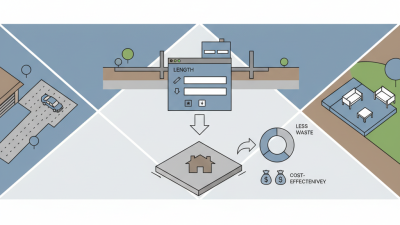
Concrete quote calculators offer significant advantages for construction projects. These tools enable users to estimate the amount of concrete needed accurately. According to industry reports, using a concrete quote calculator can reduce material waste by up to 25%. This reduction not only saves costs but also minimizes environmental impact.
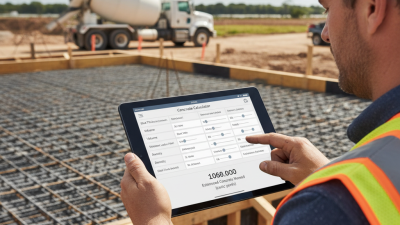
These calculators usually feature user-friendly interfaces. They allow input of measurements and project specifics. Many tools also provide options to adjust for different concrete types and additives. Engaging with these features can yield precise quotes tailored to your specific needs. However, it is vital to double-check input data. Incorrect measurements may lead to unnecessary expenses.
Tip: Always measure twice. Even small errors can lead to significant financial impact.
Moreover, take time to explore additional underlying costs. Transportation, labor, and site preparation often add to the total. Knowing these can refine your budget. A well-calibrated quote calculator might overlook some nuances. Therefore, supplement its output with professional advice. This comprehensive approach ensures a successful project outcome.
Step-by-Step Guide to Inputting Data into the Calculator
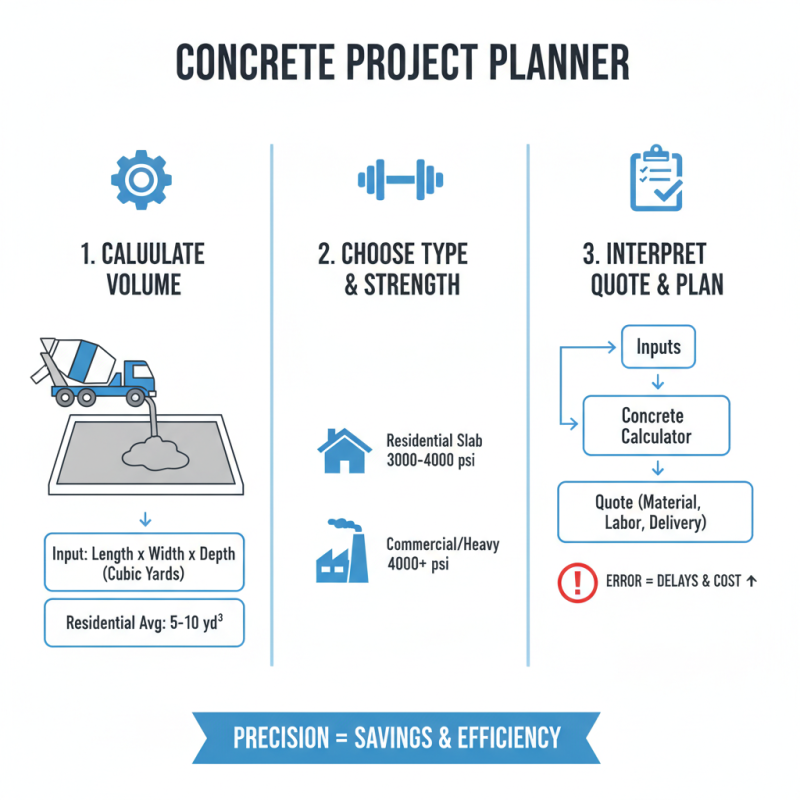
Using a concrete quote calculator can simplify your construction project. Inputting the right data is key to obtaining accurate estimates. Start by measuring your project's dimensions. Most calculators require length, width, and depth. Ensure your measurements are in consistent units—either metric or imperial. This step sets a strong foundation for your calculations.
Next, consider the type of concrete mix. Different projects necessitate varied mixes, from standard concrete to high-strength options. According to industry reports, about 70% of construction projects favor standard mixes. However, specialized uses may demand different properties. Accurately selecting the mix impacts both cost and performance. After this, check for any additional components like reinforcement materials. These can significantly alter your total volume calculation.
Finally, don’t rush the input process. Double-check your data for errors. An overlooked detail can lead to costly mistakes. A survey by construction professionals found that nearly 30% of projects exceed budget due to miscalculations. Take your time to reflect on your inputs. Mistakes in the initial stages can lead to setbacks later. Adjust your approach as necessary for the best results.
Interpreting the Results: How to Understand Your Concrete Quote
Interpreting the results from a concrete quote calculator is crucial for effective project planning. A typical calculator requires inputs like volume, type, and concrete strength. For example, calculating the volume in cubic yards is the first step. Most residential projects need around 5 to 10 cubic yards. However, precision is key. An estimation error here can lead to delays and increased costs.
Once you receive a quote, analyze the itemized costs. Look for details like delivery fees and labor charges. A report from the National Ready Mixed Concrete Association indicates that these charges can make up over 20% of overall project costs. It's essential to question any unexpected high quotes.
Moreover, consider the project location. Prices can vary significantly based on regional demand and availability. According to industry data, fluctuations in raw material prices can affect your concrete pricing by up to 15%. Reflection on these variables can either save money or lead to overspending. Ignoring local trends might leave you unprepared for significant budget changes. Always seek clarity in your quote.
Tips for Adjusting Estimates Based on Project Variables
When planning a construction project, using a concrete quote calculator can provide a solid estimate. However, estimates often need adjustments based on various project variables. Understanding these factors can enhance your budgeting effectiveness.
For instance, site conditions can dramatically affect cost. Uneven terrain or poor soil may require additional material or labor. A report from the National Association of Home Builders indicates that site preparation can account for nearly 15% of total construction costs. It’s vital to account for these variables in your estimates.
Tips: Always reassess your materials. Prices can fluctuate based on demand. Seasonal changes may impact availability and cost. Local suppliers may charge different rates. Also, consider labor costs, as skilled labor can vary significantly by region. Adjusting estimates to reflect these variables ensures a more accurate budget. A minor oversight may lead to a larger deficit later on.