The Ultimate Guide to Sliding Glass Windows for Global Buyers
Sliding Glass Windows have become a popular choice for homeowners and architects worldwide. Their sleek design seamlessly blends indoor and outdoor spaces. However, choosing the right type involves more than just aesthetics. These windows must meet local climate needs and security standards.
In this guide, we aim to provide global buyers with essential insights into sliding glass windows. You’ll discover various styles, materials, and energy efficiency options. Each factor plays a critical role in ensuring reliability and performance. We explore the nuances of installation and maintenance, which are often overlooked.
Navigating the sliding glass window market can be overwhelming. Many buyers face confusion over quality and pricing. It’s crucial to understand that not all options are created equal. Careful consideration of trusted brands and their warranties is important. This guide will help you evaluate choices and avoid common pitfalls.
Understanding Sliding Glass Windows: A Comprehensive Overview
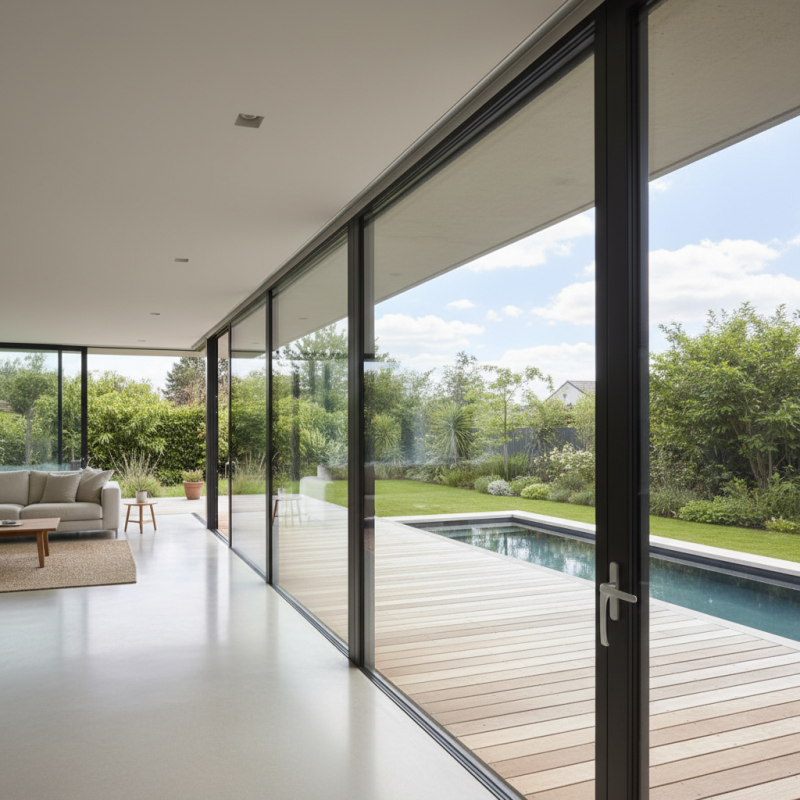
Sliding glass windows serve various purposes in homes. They create an open feeling and allow natural light to flood indoor spaces. Not only do they enhance aesthetics, but they also promote ventilation. These windows are popular among homeowners seeking modern design and functionality. Sliding glass windows can greatly impact room ambiance, making them a key consideration for many buyers.
Understanding sliding glass windows involves more than just design elements. They come in different materials, styles, and insulating properties. This can make the decision process overwhelming. Each type has its pros and cons. For instance, vinyl windows may lack the charm of wood but offer low maintenance. Similarly, aluminum frames are durable yet less insulating. Buyers should weigh these factors carefully to meet their needs.
Maintenance is another aspect to consider. While sliding glass windows are generally easy to clean, dirt and grime can accumulate in tracks. Regular upkeep is essential for smooth operation. Additionally, some windows may not meet energy efficiency standards. This can raise energy costs over time. Identifying the right balance between style and practicality is crucial for making an informed choice.
Types of Sliding Glass Windows: Styles and Materials Explained
Sliding glass windows combine style and functionality. They come in various types, each offering distinct benefits. For modern homes, contemporary sliding windows enhance aesthetics while providing ample natural light. Traditional styles blend seamlessly with classic architecture.
Material choice is crucial in selecting sliding glass windows. Vinyl offers energy efficiency and low maintenance, while aluminum provides a sleek look. Wood evokes warmth but requires more upkeep. Each material has its pros and cons, and understanding them can guide your choice.
Tips: Consider your home's style when choosing a window type. Measure the opening precisely for a snug fit. Reflect on local climate conditions to select the appropriate materials.
Benefits of Sliding Glass Windows for Homeowners and Builders
Sliding glass windows offer numerous advantages for homeowners and builders. They allow natural light to flood indoor spaces, creating a vibrant and inviting atmosphere. According to a report by the National Association of Home Builders, homes with ample natural light have a 20% higher market value. This economic benefit resonates well with both builders and prospective homeowners looking for features that enhance value.
Energy efficiency is another crucial benefit. Reports indicate that sliding glass windows can improve insulation by up to 30%. This reduction in energy loss results in lower heating and cooling costs, making these windows an appealing choice. Additionally, many models are designed to resist UV rays, protecting interiors from fading. However, homeowners should be aware that energy performance varies significantly between products.
Safety and security must also be considered. While sliding glass windows can enhance visibility, they may pose risks if not installed correctly. Poor installation can lead to leaks and easy access for intruders. Builders need to prioritize high-quality materials and professional installation. Investing in durable frames and secure locks is essential. Balancing aesthetics with security is critical for homeowner satisfaction.
The Ultimate Guide to Sliding Glass Windows - Benefits for Homeowners and Builders
Installation Process for Sliding Glass Windows: Step-by-Step Guide
The installation process of sliding glass windows can seem daunting, yet it is manageable with the right guidance. According to industry reports, nearly 70% of homeowners choose sliding windows due to their energy efficiency and aesthetic appeal. However, improper installation can lead to air leaks and increased energy costs, making attention to detail crucial.
Begin by preparing the opening. Ensure it is square and clean. Use a level to check vertical and horizontal lines. This step is essential for optimal window function. Next, place shims if needed to support the frame. It’s common for installers to overlook this, leading to uneven operation. A reported 30% of installation issues stem from inadequate shimming.
After positioning the window, secure it with screws. Tighten them appropriately, but avoid over-tightening. Too much pressure might warp the frame. Weatherproofing is another vital step. Use insulation and flashing to prevent water intrusion. Surveys indicate that nearly 60% of sliding window failures result from poor sealing. Following these steps diligently can ensure a reliable and efficient installation.
Maintenance Tips for Prolonging the Life of Sliding Glass Windows
Sliding glass windows can enhance your home's aesthetic while providing efficient ventilation. However, they need regular maintenance to ensure longevity. One of the easiest ways to maintain these windows is through consistent cleaning. Use a mixture of water and mild detergent to wipe down the glass. Avoid abrasive materials that can scratch the surface. Don’t forget the tracks; dirty tracks can cause the windows to stick or misalign.
Lubrication is another key maintenance task. Apply silicone spray to the sliding tracks at least twice a year. This simple step can prevent wear and tear, ensuring smooth operation. Check for any signs of wear, such as gaps or cracks in the seals. These can lead to drafts and higher energy bills, so addressing them early is crucial.
It’s also important to inspect the screens regularly. Dust and debris can accumulate, hindering their effectiveness. Cleaning your screens with a vacuum or sponge keeps them functional. Keep in mind that neglecting small issues can lead to bigger problems down the road. Regular, simple maintenance ensures your sliding glass windows last, both in functionality and appearance.

