Clad Wood Windows Tips for Choosing the Best Options?
Clad Wood Windows represent a blend of aesthetic appeal and functionality. According to the National Association of Home Builders, their usage has grown by 25% over the past five years. This trend reflects a broader consumer interest in renewable materials and energy efficiency. They offer the warmth of wood with the durability of exterior cladding, catering to homeowners who seek both style and practicality.
Industry expert Susan McKenzie, a noted architect and window design consultant, states, "Choosing the right clad wood windows can elevate not just a home’s value, but its overall character." Understanding the various options available is crucial. Homeowners must consider factors like insulation, maintenance, and design compatibility. Each of these elements contributes to the overall performance and appearance of the windows, making informed choices essential.
However, selecting the best clad wood windows can be challenging. Different brands offer varying quality standards and design choices, which can lead to confusion. Additionally, many consumers are unaware of the importance of warranties and installation options. This complexity highlights the need for diligent research to ensure satisfaction with every decision made in the selection process. Your windows should reflect both personal taste and long-term investment considerations.
Understanding Clad Wood Windows: Key Features and Benefits
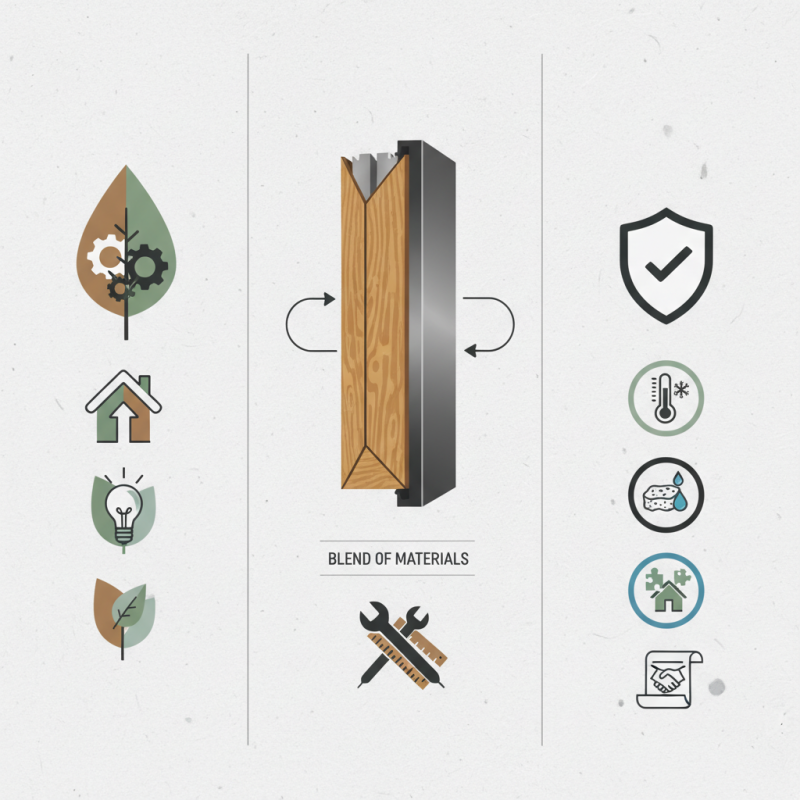
Clad wood windows are an excellent choice for homeowners seeking both aesthetics and functionality. These windows combine the beauty of wood with the durability of an outer cladding, usually aluminum or vinyl. This design protects against the elements while maintaining an appealing look. According to a report by the National Association of Home Builders, clad windows can increase a home's value by 10% when compared to standard windows.
One of the key benefits of clad wood windows is energy efficiency. They often include thermal insulation layers, which comply with energy standards set by the Department of Energy. A study indicated that homes with properly installed clad windows can experience up to a 30% reduction in heating and cooling costs. The combination of wood's insulating properties with protective cladding ensures a comfortable indoor environment.
When selecting clad wood windows, consider these tips: check the warranty offered. A solid warranty can reflect a product's reliability. Inspect the frame carefully for durability and finishes. Look for options that require minimal upkeep to save time in the long run. Additionally, prioritize low-maintenance exteriors, as they can help reduce future expenses. Not every product will meet all your needs perfectly; being realistic about what you want can guide your decision-making process.
Clad Wood Windows: Key Features and Benefits
Comparing Clad Wood Options: Materials and Aesthetics
When selecting clad wood windows, understanding the materials is essential. Clad wood typically features a wood core coated with durable materials like fiberglass or aluminum. This structure offers the warm aesthetics of wood combined with the low maintenance benefits of modern materials. For instance, aluminum clad windows provide a sleek, contemporary look that can resist harsh weather. The color options can be varied, adding to design flexibility.
On the other hand, fiberglass offers superior insulation. This material is strong and has a longer lifespan than traditional wood. However, some may find fiberglass less visually appealing than natural wood. The choice between aesthetics and functionality often leads to tough decisions. Clad wood windows also require regular upkeep. Homeowners must consider the balance between beauty and maintenance.
Personal preferences play a huge role in selecting the best option. Some may prioritize a classic wooden appearance, even if it needs extra care. Others might lean toward a low-maintenance option without thinking of the long-term effects. Reflecting on these choices can lead to a better decision.
Assessing Energy Efficiency in Clad Wood Windows
When assessing energy efficiency in clad wood windows, consider various factors. Clad wood windows combine the aesthetic warmth of wood with a protective exterior. This combination can significantly improve energy efficiency when chosen correctly. According to the U.S. Department of Energy, windows account for about 25-30% of residential heating and cooling energy use. Therefore, selecting the right window can reduce energy consumption.
Look for windows with a low U-factor, which measures heat transfer. A lower U-factor indicates better insulating properties. Energy Star-rated windows can also guarantee energy efficiency. They typically feature multiple layers of glass and low-emissivity coatings, reducing thermal loss. Additionally, consider the air leakage rating; even a small gap can lead to energy waste.
For better energy performance, choose double or triple-glazed windows. These options create air or gas pockets that enhance insulation. Incorporating features like argon or krypton gas between glass panes can further improve efficiency. Often overlooked, the window frame material and design impact energy efficiency as well.
Ensure the installation is done correctly to prevent air leaks. Poor installation can negate the benefits of energy-efficient windows. Regular maintenance, including checking seals and weather stripping, is essential for long-term performance. Investing time in these details can lead to significant energy savings and comfort over time.
Clad Wood Windows Tips for Choosing the Best Options - Assessing Energy Efficiency in Clad Wood Windows
| Attribute | Value | Notes |
| Material | Wood Frame with Cladding | Combines aesthetic warmth with durability |
| Energy Rating | U-Value 0.28 W/m²K | Looks for low U-value for better insulation |
| Solar Heat Gain Coefficient | 0.40 | Higher values allow more heat in, consider climate |
| Air Leakage | 0.3 cfm/2 | Less air leakage improves overall energy efficiency |
| Maintenance | Low | Requires occasional cleaning and inspection |
| Cost | $400 - $800 per window | Prices vary based on size and options |
Choosing the Right Hardware and Accessories for Clad Wood Windows
Choosing the right hardware and accessories for clad wood windows is a crucial step. High-quality hardware ensures durability in various weather conditions. According to the Window and Door Manufacturers Association, 80% of window failures relate to poor hardware choices.
Consider the balance between aesthetics and functionality. A sleek handle can enhance your home’s style. At the same time, you need easy operation and reliable locking mechanisms. Look for corrosion-resistant materials. Stainless steel is often recommended, as it combines strength and resistance to rust.
Installation is another critical aspect. Many hardware options require specialized skills. In fact, improper installation may void warranties. Reflect on the long-term maintenance of your selections. Accessibility should not be overlooked. Choose hardware that is user-friendly for all family members. Remember, each choice impacts not only function but also the overall appearance of your windows.
Maintenance Tips for Longevity of Clad Wood Windows
Clad wood windows combine the beauty of wood with the durability of a protective exterior. Regular maintenance is essential for these windows to last. Industry reports indicate that properly cared-for clad wood windows can last over 30 years. However, neglect can lead to significant problems, like rot or moisture damage.
Cleaning is critical. Use mild soap and water to clean the surfaces regularly. An annual inspection is also recommended. Look for cracks, peeling, or signs of moisture. Quick touch-ups can prevent more extensive damage later. It's essential to check the seals and weatherstripping, as these areas can wear down. A simple replacement can significantly extend the life of your windows.
Moreover, consider the environment around your windows. Overhanging branches can scratch the surface or block sunlight. Trimming them back can minimize these risks. While you can do some tasks yourself, consulting with a window professional is beneficial. They can offer expert advice tailored to your climate and conditions, ensuring you maximize the longevity of your windows.

