What is Ready Made Concrete and How is it Used in Construction?
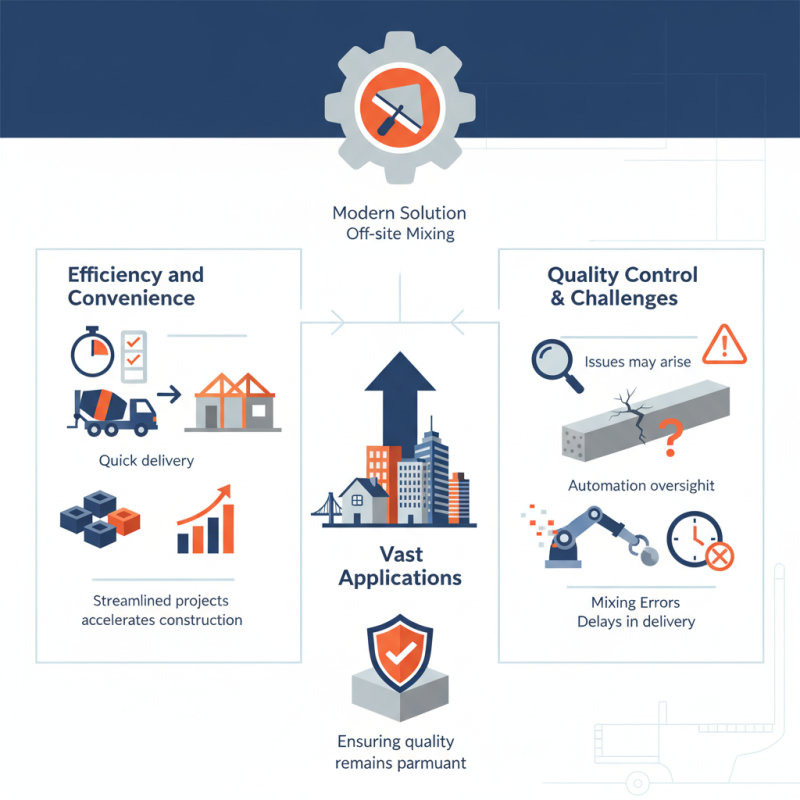
Ready made concrete is a modern solution for construction needs. It offers efficiency and convenience. Contractors appreciate its ability to streamline projects. This concrete type is mixed and prepared off-site. This allows for quick delivery to construction sites.
In today's fast-paced world, there's a growing demand for ready made concrete. Builders require reliable materials that save time. Using ready made concrete can be a double-edged sword. While it accelerates construction, quality control is crucial. If not managed well, issues may arise.
The applications of ready made concrete are vast. From residential buildings to large infrastructure, its versatility shines. However, reliance on automation can sometimes lead to oversight. Mixing errors or delays in delivery can compromise a project. As the industry evolves, ensuring quality remains paramount.
What is Ready-Made Concrete? An Overview of Its Composition and Types
Ready-made concrete, often referred to as precast concrete, is a vital component in modern construction. It is created by mixing cement, water, aggregates, and additives. The mixture is cast into molds and cured in a controlled environment, which enhances its strength and durability. This method allows for better quality control, reducing the chances of defects.
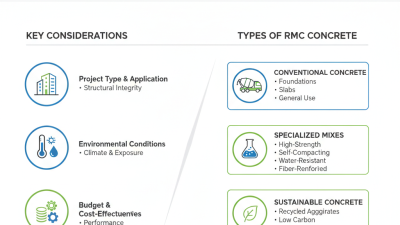
There are various types of ready-made concrete.
Lightweight concrete is popular for projects requiring reduced weight. It consists of lighter aggregates, improving energy efficiency.
High-strength concrete, on the other hand, is used for structures that must withstand high loads. It is essential to choose the right type based on specific project needs.
However, the selection process can often be overwhelming and requires careful consideration.
Using ready-made concrete has its challenges. Not every project is suitable for precast elements. Site conditions and design specifications can complicate the installation process. Additionally, transportation can be a hassle, especially for large pieces. These factors require project managers to plan meticulously, allowing for flexibility and adjustments as needed.
The Manufacturing Process of Ready-Made Concrete: Key Steps Involved
The manufacturing process of ready-made concrete involves several critical steps, each essential for ensuring high quality and performance. Initially, raw materials such as cement, aggregates, water, and additives are carefully selected. According to industry reports, over 70% of concrete's volume comprises aggregates, underscoring their significance. The precise ratio of these components influences the final product's strength and durability.
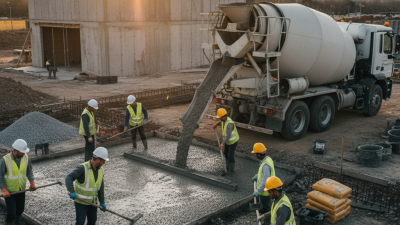
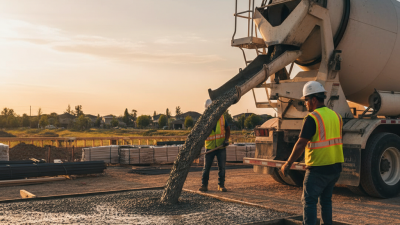
Mixing is the next pivotal stage. The ingredients are combined in a mixer to create a uniform consistency. Typically, mixing lasts for 3 to 5 minutes. Inconsistencies can arise if this timing is not adhered to. Some batches may show different strengths, affecting construction quality. After mixing, the concrete is transported to the job site in special trucks. These vehicles ensure the mixture remains workable during transit.
Once at the site, pouring and curing take place. Timing is crucial; concrete needs to be poured promptly to prevent setting in the mixer. Curing involves maintaining moisture and temperature, which can be challenging in varying climate conditions. Reports indicate that improper curing can lead to cracks or weakened structures. Each stage of the ready-made concrete process demands precision and attention to detail to avoid future structural issues.
Applications of Ready-Made Concrete in Modern Construction Projects
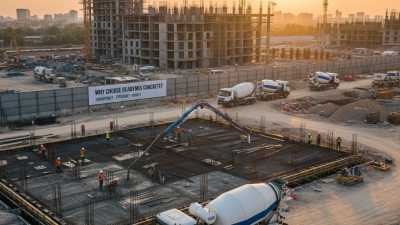
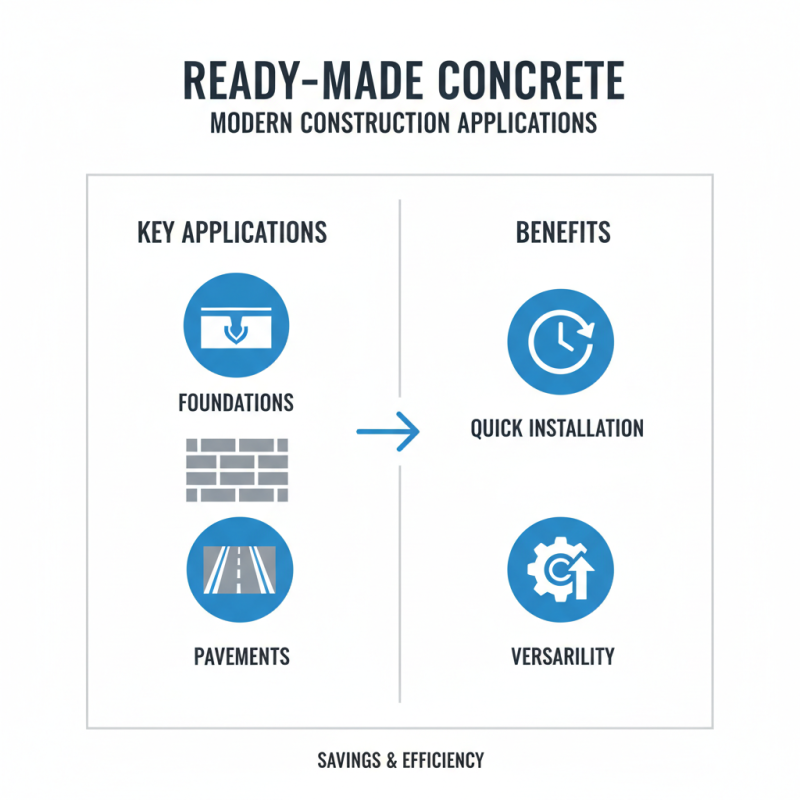
Ready-made concrete offers numerous applications in modern construction projects. Its versatility makes it ideal for various structures, from residential homes to commercial buildings. Contractors frequently use it for foundations, walls, and pavements. Its quick installation saves time on many projects, which is a huge advantage.
For infrastructure, ready-made concrete is essential. It is often used in bridges and tunnels due to its strength. The material can be molded into unique shapes, allowing for creative architectural designs. However, using ready-made concrete comes with challenges. Ensuring proper mixing and transport conditions is crucial. Any delay can impact strength and durability.
**Tips:** Always check the project's specific needs. Not every project will benefit from ready-made concrete. Evaluate environmental conditions before use. Choosing the right concrete mix affects the outcome significantly. Remember that while ready-made options are convenient, they may not always be the best fit for your project. Think critically about your choices.
Advantages of Using Ready-Made Concrete: Efficiency, Cost, and Quality
Ready-made concrete, also known as precast concrete, plays a significant role in modern construction. It streamlines the building process and enhances project efficiency.
Data from the National Ready Mixed Concrete Association indicates that the use of ready-mixed concrete can reduce construction time by 30% compared to traditional methods.
This efficiency is essential in today’s fast-paced construction environment.
Cost savings are another crucial advantage. A study by the American Concrete Institute shows that ready-mixed concrete can lower overall project expenses by up to 15%. This price reduction is largely due to decreased labor costs and minimized on-site waste.
However, it’s worth noting that the initial investment in ready-made concrete can sometimes be higher. This can lead to hesitation among smaller contractors.
Quality is consistently highlighted as a benefit. Ready-made concrete undergoes strict quality control measures in factories, ensuring superior consistency.
This aspect is vital, especially in critical structures. Despite these advantages, challenges remain. Suppliers must maintain quality standards and manage logistics effectively.
Poor planning in delivery can lead to delays, undermining cost and efficiency benefits.
The industry must adapt to these challenges to maximize the potential of ready-made concrete.
Industry Statistics on Ready-Made Concrete Usage and Market Trends
Ready-made concrete, or ready-mix concrete, has become a staple in the construction industry. According to recent industry reports, the global ready-mix concrete market was valued at approximately $500 billion in 2022. It is expected to grow at a compound annual growth rate (CAGR) of about 5% over the next five years. This growth highlights its importance in modern construction methods.
In various regions, the demand for ready-mix concrete is surging. For example, North America accounts for nearly 30% of global usage. The rise in urbanization and infrastructure development is driving this trend. Construction companies are increasingly leaning towards ready-made solutions. This shift reflects a need for efficiency and reduced onsite labor.
Tips: When choosing ready-mix concrete, consider the local climate. It impacts curing time and overall durability. Also, be mindful of transportation costs. They can significantly affect your project budget. Often overlooked, these aspects can lead to unexpected challenges during construction. Proper planning is crucial for success.
Ready Made Concrete Usage in Construction (2023)