10 Essential Tips for Efficient Ready Mix Delivery Coordination?
Efficient ready mix delivery is crucial for construction projects. The timely arrival of materials can significantly impact the workflow. Poor coordination may result in delays and increased costs.
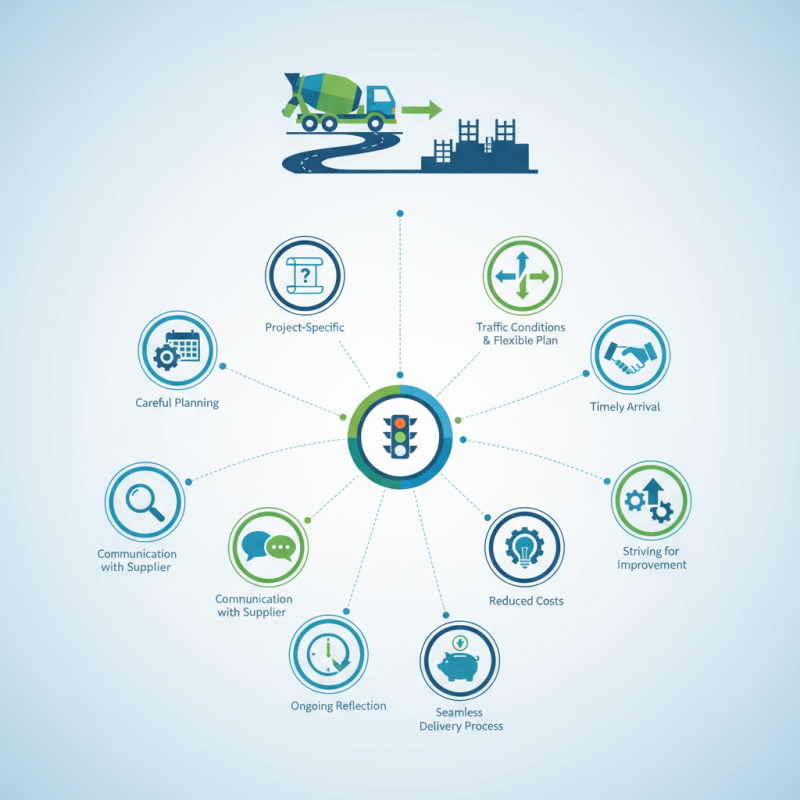
To achieve a seamless delivery process, careful planning is necessary. Consider the specific needs of each project. Traffic conditions can affect delivery schedules. Having a flexible plan in place is vital.
Additionally, communication with your supplier is essential. Discuss any potential challenges ahead of time. This proactive approach can prevent misunderstandings. Efficient ready mix delivery requires ongoing reflection and adjustments. Striving for improvement can lead to smoother operations.
Understanding the Basics of Ready Mix Concrete Delivery Coordination
Ready mix concrete delivery coordination is crucial for any construction project. Understanding the basics helps avoid delays and inefficiencies. According to a report from the National Ready Mixed Concrete Association, improper coordination can lead to a 10-15% increase in project costs. These statistics highlight the importance of effective planning.
Communication plays a key role. Ensure that all parties are informed about the delivery schedule. Many delays occur when site managers and delivery trucks operate without synchronized information. Real-time updates can make a significant difference. Delays can result not just in financial loss but also in project timelines stretching unnecessarily.
Weather conditions can complicate concrete delivery coordination. A sudden rainstorm can delay deliveries. The American Concrete Institute suggests that temperature changes can impact concrete quality. This requires careful monitoring. Review your plans regularly. Reflect on past mistakes, and seek better solutions. Evaluating these aspects can lead to more efficient operations.
10 Essential Tips for Efficient Ready Mix Delivery Coordination
| Tip Number |
Tip Description |
Importance Level |
| 1 |
Plan delivery schedules in advance |
High |
| 2 |
Confirm order details before delivery |
High |
| 3 |
Coordinate with site supervisors |
Medium |
| 4 |
Use GPS for route optimization |
High |
| 5 |
Maintain a buffer time for deliveries |
Medium |
| 6 |
Review weather conditions ahead of time |
Medium |
| 7 |
Track inventory levels regularly |
High |
| 8 |
Establish clear communication channels |
High |
| 9 |
Evaluate delivery performance |
Medium |
| 10 |
Get feedback from construction teams |
Medium |
Key Factors Affecting Delivery Schedules and Timeliness
Timely delivery of ready-mix concrete heavily relies on various factors. Weather conditions can lead to delays. Heavy rain or extreme heat can impact scheduling. Keeping an eye on the forecast is essential. Poor communication between teams can also derail plans. Coordination challenges often arise when parties fail to share updates. Treating communication as a priority can enhance efficiency.
Another critical factor is order accuracy. Mistakes in the quantity needed can delay the delivery. Always confirm the order details well in advance. Proper planning is vital. Use efficient scheduling tools to track delivery slots. This can reduce waiting times on-site. Develop strong relationships with drivers. A well-informed driver can navigate challenges better.
It's also important to factor in site conditions. Limited access or tight spaces can slow down the delivery process. Anticipating these challenges can save time. Consider conducting site assessments before delivery. Such a step often reveals potential issues early. Reflect on previous experiences and learn from them. Every delivery can teach valuable lessons for the future.
Effective Communication Between Suppliers and Contractors
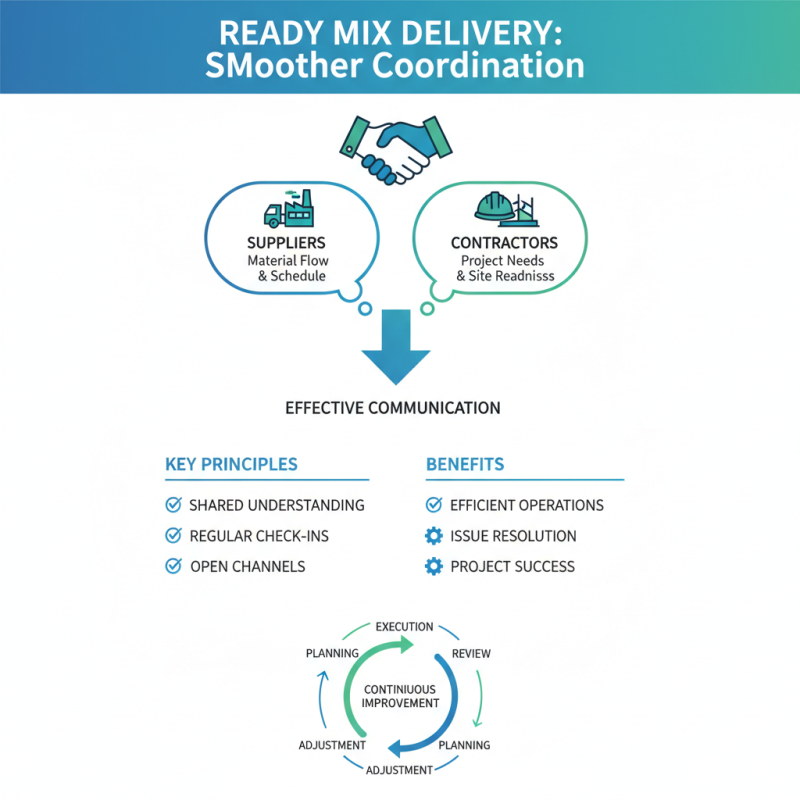
Effective communication between suppliers and contractors is vital for successful ready mix delivery coordination. When both parties understand their roles, it leads to smoother operations. Regular check-ins can help clarify expectations and address any emerging issues. It’s important to keep the channels open throughout the project.
One key tip is to establish a shared platform for updates. Whether it’s a messaging app or project management tool, having a central place for information fosters collaboration. Frequent updates can prevent confusion. Also, consider confirming details like delivery times a day in advance. This simple step can save time and reduce stress.
Another tip is to encourage feedback. Contractors should share their experiences with suppliers. This can help improve future deliveries and strengthen the relationship. If problems arise, discuss them openly. Documenting these discussions may prevent the same issues in future projects. Enhancing communication requires ongoing effort and awareness. Make sure all parties feel heard and valued. Sometimes, small misunderstandings can escalate without proper dialogue.
Utilizing Technology for Streamlined Delivery Processes
Efficient delivery of ready-mix concrete is crucial for the construction industry. Utilizing technology can significantly improve the coordination of these deliveries. A recent report states that 75% of construction delays are linked to material delivery issues. This highlights the need for better communication and tracking systems.
Mobile apps are transforming the delivery process. Many contractors use GPS tracking to pinpoint material locations. This allows for real-time updates, aiding project managers in making informed decisions. Yet, some companies still rely on outdated methods for scheduling. A significant portion of the industry struggles with software integration, leading to inefficiencies.
Data analytics plays a key role, too. Analyzing past delivery performance helps identify patterns. Studies show that firms that use data-driven strategies see a 30% reduction in delays. However, many firms neglect this data, missing opportunities for improvement. Greater emphasis on technology adoption is necessary.
Best Practices for Problem-Solving During Delivery Challenges
Delivery challenges are common in ready mix coordination. Weather delays can disrupt schedules significantly. Heavy rain or snow can halt construction. Communication lapses often worsen the situation. When drivers face unexpected obstacles, such as traffic jams, timely updates are crucial. Each minute lost can affect the entire project timeline.
Problem-solving begins with proactive planning. Ensure contact information is current. Always have backup routes in mind. Utilize real-time tracking to monitor fleets. This helps to make quick adjustments. When issues arise, gather your team. Discuss potential solutions together. Sometimes, on-site decisions may need reflection. It’s crucial to stay calm and focused under pressure.
Building strong relationships with stakeholders also aids in resolving conflicts early. If a problem is anticipated, inform all involved parties promptly. A united front can make tackling challenges more manageable. However, not every delivery will go smoothly. Embrace these moments as learning opportunities for future improvements. Each obstacle can reveal new strategies or reveal weaknesses in your approach.
10 Essential Tips for Efficient Ready Mix Delivery Coordination