Top Tips for Choosing Ready Mix Concrete for Your Project?
Choosing the right ready mix concrete for your project can be a daunting task. With so many options available, it’s essential to understand your specific needs. Ready mix concrete is not just a simple material; it plays a crucial role in the durability and aesthetics of your construction.
When selecting ready mix concrete, consider your project’s requirements. Different applications may necessitate various types of concrete mixes. For example, the strength, color, and setting time can vastly differ. These factors can significantly impact your overall project outcome.
It's also vital to choose a reputable supplier. A trusted supplier ensures high-quality materials and timely delivery. However, not all suppliers prioritize quality. Doing your research can prevent nasty surprises down the line. Pay attention to details: the mix design, local availability, and even customer service can all influence your experience.
Understanding the Basics of Ready Mix Concrete and Its Benefits
Ready mix concrete is a versatile and efficient choice for various construction projects. It is pre-mixed at a plant and delivered to the site, ensuring consistency in quality. This method saves time and labor, allowing for quicker project completion. The concrete is tailored to specific needs, making it suitable for foundations, pavements, and even decorative applications.
Understanding the basics of ready mix concrete is crucial. It consists of cement, aggregates, and water, all combined in exact proportions. This mixture provides durability and strength. However, some may overlook the importance of proper mixing and timing. Delays in pouring can lead to issues like setting too quickly or uneven texture. It’s vital to communicate clearly with suppliers to avoid such pitfalls.
In addition to its strength, ready mix concrete offers sustainable benefits. It generates less waste compared to traditional mixing methods. The production process can be optimized for lower emissions. Yet, some may struggle with ensuring eco-friendly practices while balancing cost. Exploring local suppliers who prioritize sustainability might help in this regard.
Top Tips for Choosing Ready Mix Concrete for Your Project
Factors to Consider When Selecting the Right Mix Design for Your Needs
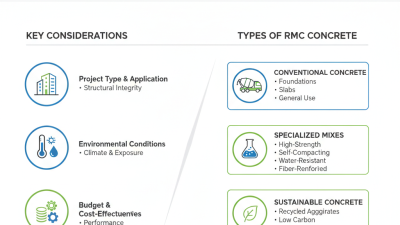
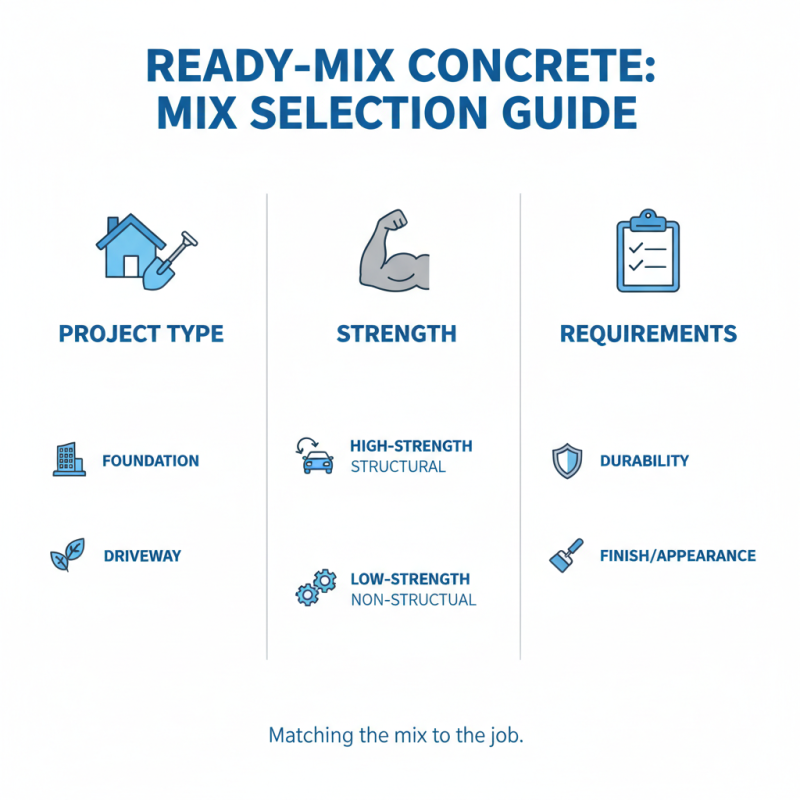
When selecting the right mix design for ready mix concrete, several factors come into play. Understanding your project's requirements is crucial. Are you building a foundation, a driveway, or a decorative patio? Each application has specific needs, and not all mixes will serve your purposes. The strength of the concrete plays a significant role. You may desire a high-strength mix for structural work. On the other hand, a lower strength mix might suffice for non-structural elements.
Another essential factor is the environmental conditions. If your project is in a hot climate, you might want a mix that slows down curing. Cold weather can create challenges, too. In both cases, additives could be beneficial. However, it’s easy to overlook these details. Sometimes the simplest mix turns out to be the most effective for a project. Your budget also influences your choice. Premium mixes may promise superior performance, but they can strain your finances. Finding a balance is key. Evaluating each aspect carefully ensures you choose wisely, avoiding costly mistakes down the line.
Evaluating Supplier Reputation and Quality Assurance Practices
Choosing the right supplier for ready mix concrete is crucial. Evaluating their reputation is a key step. A strong reputation often indicates reliability. According to a recent industry report, 72% of successful projects cite supplier selection as vital. Reviews and referrals matter. Look for suppliers with positive feedback from past clients. Consider how long they've been in the industry too. Longevity often reflects stability.
Quality assurance practices are equally important. Ask potential suppliers about their quality control measures. A report from the American Concrete Institute states that 60% of concrete failures result from quality issues. Suppliers should provide documentation on testing methods. Frequent testing can prevent costly mistakes. It is concerning that some suppliers may overlook these standards. Inspect their facilities if possible. Not all suppliers prioritize quality assurance.
In addition to reputation and quality, communication matters. Suppliers should be responsive and clear. This can prevent misunderstandings down the line. Often, projects suffer because of poor communication. Make sure your chosen supplier can meet your project’s specific needs. Avoid last-minute decisions. Take the time to evaluate all factors. Doing so can save you headaches later.
Cost-Effectiveness and Budgeting for Ready Mix Concrete Projects
When planning a construction project, budgeting for ready mix concrete is crucial. This material often represents a significant portion of project costs. Understanding the pricing will help you allocate funds effectively.
Consider reaching out to multiple suppliers for quotes. Compare prices, but don’t just settle for the cheapest option.
Price isn’t everything. Quality matters as well. A low-cost option may not perform well over time, leading to additional expenses. Look for reviews or ask for recommendations. It can save you from costly mistakes. Check the concrete's compressive strength. Higher strength usually means longer durability and fewer repairs.
Another vital aspect is ordering the right amount. Too much concrete leads to waste and increased expenses. Too little means delays and extra costs for additional batches. Calculate your needs accurately. Always factor in delivery fees and possible surcharges. Keeping track of these details allows for better financial management and ensures your project remains on budget.
Best Practices for Ordering and Delivering Ready Mix Concrete Efficiently
When ordering ready mix concrete, efficiency is key. Start by accurately estimating the volume needed. Mistakes in calculation can lead to delays or shortages. Measure the area carefully, and consider using tools like calculators. Ensure your measurements are precise. A small error can cost time and money.
Timing is critical during delivery. Schedule your order close to your project’s start time. Concrete should be used as soon as it arrives. If the wait is too long, it may set before use. Communication with the supplier is essential. Confirm delivery times and any potential delays.
Consider the location of the delivery site. The truck should have easy access. Tight spaces can complicate the delivery. Be prepared for adjustments on-site, as conditions may change. Relying solely on one plan can lead to frustrations. Always have a backup plan for unexpected issues. Flexibility can save you time and stress during this process.