China Top Concrete Estimate Calculator for Global Buyers?
China Top Concrete Estimate Calculator for Global Buyers? This question matters when a small volume error becomes a costly shipment problem. The Global Cement and Concrete Association reports that around 14 billion cubic metres of concrete are produced globally each year. This scale makes accurate estimating essential for contractors, importers, and international project managers.
A reliable concrete estimate calculator can convert slab dimensions into cubic metres, estimate cement, sand, aggregate, water, and potential waste. It can also support preliminary material costing, freight planning, currency comparison, and supplier discussions. For example, a 120-square-metre slab, 150 millimetres thick, requires approximately 18 cubic metres before waste adjustments. A buyer may then add five to ten percent, depending on site access, formwork accuracy, and placement conditions. Small details matter.
China remains a major cement and construction-material producer. The International Energy Agency identifies cement production as a significant industrial emissions source, while the GCCA highlights efficiency and low-carbon production as industry priorities. These reports show why quantity, mix performance, and material efficiency should be reviewed together. Cost alone is not enough.
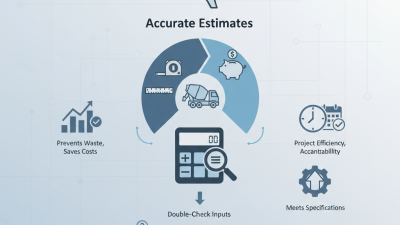
This guide evaluates how a concrete estimate calculator can help global buyers compare Chinese suppliers more consistently. It considers measurement logic, mix assumptions, packaging, delivery distance, quality documentation, and project standards. Calculations are estimates, not final engineering approvals. No calculator is perfect. A careful buyer should verify results against drawings, local codes, laboratory data, and the supplier’s technical sheet. That extra review may prevent an expensive correction later.
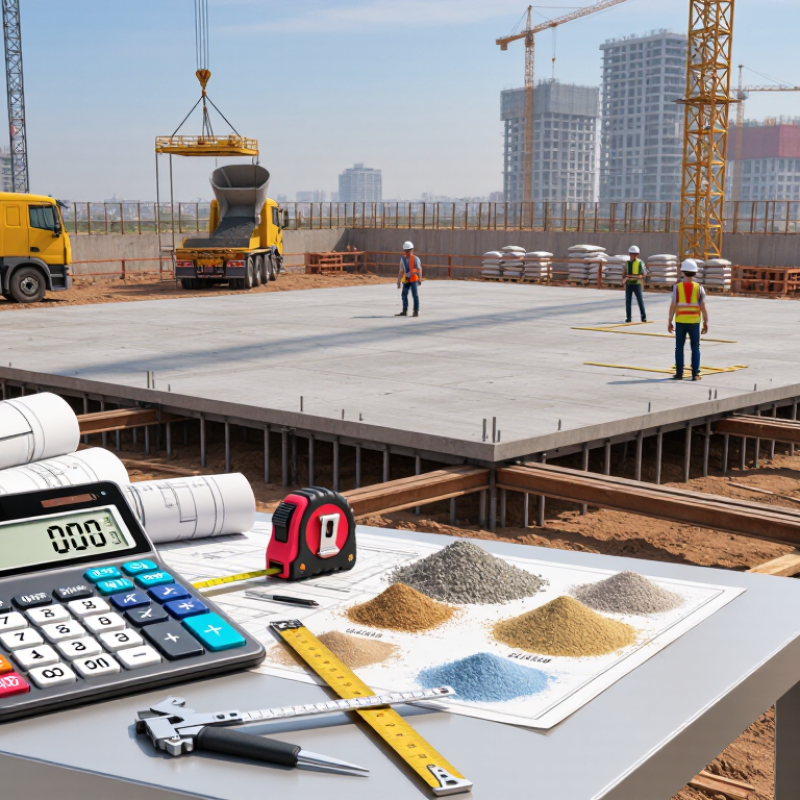
What Is a China Concrete Estimate Calculator?
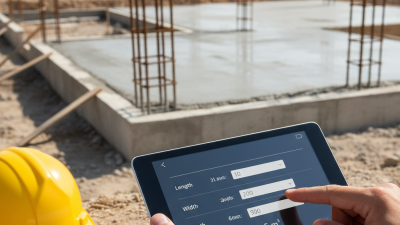
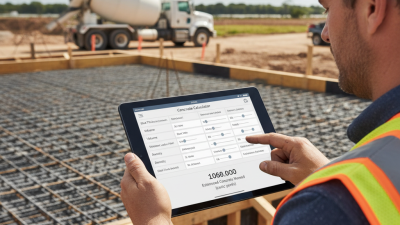
A China concrete estimate calculator is a digital tool for predicting material quantity, weight, and purchasing cost before an international order. It usually starts with length, width, and depth. The calculator then converts these measurements into cubic metres of concrete. Some versions also estimate cement, sand, gravel, water, packaging, freight, and expected waste.
The scale is significant. The U.S. Geological Survey reported global cement production at about 4.1 billion tonnes in 2023. Industry assessments from the Global Cement and Concrete Association place annual concrete use near 14 billion cubic metres. Small input errors can therefore create expensive purchasing mistakes. A reliable calculator should show its assumptions clearly, including concrete density, mix strength, unit system, currency, and waste allowance. Metric units are generally safer for cross-border calculations.
Practical users can test a simple slab first. Enter 12 metres long, 4 metres wide, and 0.15 metres deep. The basic volume is 7.2 cubic metres. Adding a five percent allowance gives roughly 7.56 cubic metres. Still, this is only an estimate. Site moisture, aggregate grading, delivery loss, local specifications, and contractor methods may change the final requirement. I have found that calculators look precise, but their precision depends entirely on the data entered. Buyers should request a technical sheet and verify the result with an independent engineer before confirming quantities.
China Concrete Estimate Calculator for Global Buyers
Typical material quantities required to estimate 1 m³ of fresh concrete
This reference estimate uses a representative nominal concrete mix: approximately 300 kg of cement,
700 kg of sand, 1,200 kg of coarse aggregate, and 180 litres of water per cubic metre.
Actual quantities vary according to strength grade, aggregate grading, moisture content,
construction standards, and project specifications.
Which Concrete Costs Can Global Buyers Calculate?
China Top Concrete Estimate Calculator for Global Buyers?
Which Concrete Costs Can Global Buyers Calculate?
A concrete estimate calculator can help global buyers price more than the concrete mix itself. It can estimate the required volume from slab length, width, and thickness. Buyers may also compare cement strength, aggregate size, and selected mix proportions. Enter dimensions carefully. A small measurement error can increase the order by several cubic meters.
Delivery is another important cost. The calculator can estimate transport charges from the production site to the project location. It may include distance, truck capacity, fuel adjustments, and unloading time. Some tools also estimate pumping costs when concrete must reach upper floors or restricted areas. Site access matters. A narrow gate can require smaller vehicles and extra handling.
Buyers can often add reinforcement, formwork, labor, surface finishing, and expected material waste. Taxes, port charges, insurance, and local inspection fees may also affect the final budget. Currency conversion helps, but exchange rates change quickly. The result is an estimate, not a binding quotation.
From practical estimating experience, the most reliable approach is checking calculator results against local supplier data. Concrete prices can vary between coastal ports and inland sites. Weather, waiting time, and minimum order rules are easy to overlook. I have also found that a five percent waste allowance is not always suitable for complex shapes. Review the assumptions before placing an order.
How to Enter Project and Material Information
China Top Concrete Estimate Calculator for Global Buyers?
How to Enter Project and Material Information
Accurate estimating starts with measured project data, not a guessed truck quantity. Enter length, width, and thickness in consistent units. For a 12-meter by 8-meter slab, 0.15 meters thick, the basic volume is 14.4 cubic meters. Add openings, beams, slopes, and separate foundations instead of hiding them in one figure. The U.S. Geological Survey’s Mineral Commodity Summaries 2024 estimated global cement production at about 4.1 billion metric tons in 2023. That scale shows why small input errors can become expensive across international projects.
Material information also needs detail. Select the required strength class, slump, aggregate size, exposure condition, and delivery temperature. Confirm whether the quoted quantity uses cubic meters or truck capacity. A practical allowance is often 3% to 7% for placement waste, but uneven ground may require more. Local engineering standards and the supplier’s mix design should control the final specification. I have seen neat calculations fail when a wall opening was missed. The calculator is useful, but it is not a site inspection.
Tips: Measure twice. Record every opening. Keep units consistent. Check the result against truck loads and batch limits. Add a brief note about uncertain ground levels, because assumptions deserve review. Industry guidance from the International Energy Agency reports that cement production creates roughly 7% of global energy-related and process CO2 emissions, so avoiding over-ordering supports both cost control and responsible material use.
How to Review and Compare Estimated Prices
China Top Concrete Estimate Calculator for Global Buyers?
How to Review and Compare Estimated Prices
A concrete estimate calculator can provide a useful starting point for international buyers. Enter the required volume, concrete grade, delivery distance, and local currency carefully. Small input errors can change the result significantly. A cubic-meter mistake is expensive.
When reviewing the estimated price, separate material, transport, pumping, labor, taxes, and possible port charges. Check whether the calculation uses current exchange rates. Some tools include delivery costs, while others show only the concrete price. Compare identical specifications, not just the final numbers. Strength requirements, aggregate size, setting time, and project location all affect the quotation. Ask for the calculation date and its assumptions. Reliable suppliers should explain unclear figures and provide written details.
Tips: Request at least three comparable estimates. Use the same volume and concrete grade. Confirm whether taxes and unloading are included. Keep a record of every assumption. I have seen buyers compare a delivered price with a factory price, then question the difference. That comparison is not fair. Calculator results can also overlook weather delays, difficult access, or small-order fees. Treat the estimate as a planning tool, not a guaranteed invoice. A local engineer or qualified quantity surveyor should review the final figures before purchase. Mistakes happen. Careful review reduces them.
What Factors Affect the Accuracy of the Estimate?
China Top Concrete Estimate Calculator for Global Buyers
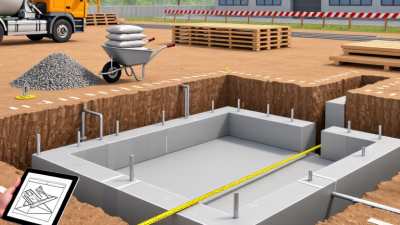
The accuracy of a concrete estimate begins with reliable measurements. Enter length, width, and thickness in one consistent unit. Mixing metres with millimetres creates serious errors. A small thickness mistake can add several cubic metres to a large floor. Sloped ground also changes the required volume. A calculator cannot see the site.
Concrete density and mix design matter too. Lightweight and standard concrete do not weigh the same. Different aggregate sizes can affect batching and transport calculations. Buyers should check whether the tool estimates volume, weight, or both. These figures are related, but they are not interchangeable. Ask for the calculation method.
Waste allowance is another important factor. Many projects allow five to ten percent for spillage, uneven surfaces, and handling loss. This range is not universal. Pumping distance, weather, access, and delivery timing may increase it. Reinforcement, openings, columns, and formwork can reduce the actual pour volume. Yet careless deductions may create a shortage. Experienced estimators compare the calculator result with drawings and site conditions. They also verify decimal settings, local units, and currency assumptions. One overlooked setting can distort the final quotation. The tool is useful, but not perfect. Rechecking remains necessary.