Top 10 Benefits of Using Ready Mix Concrete Truck for Your Projects?
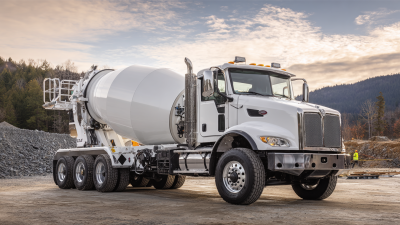
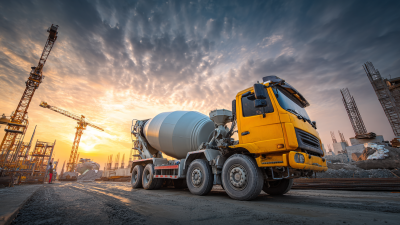
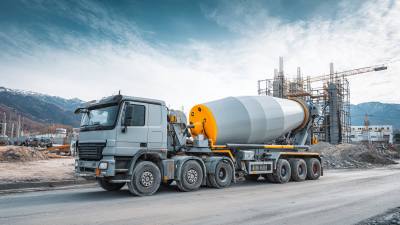
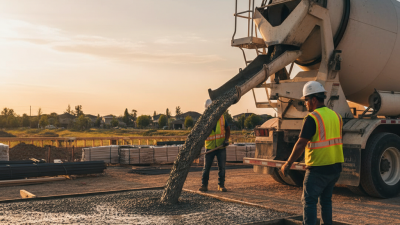
In the construction industry, efficiency is paramount. The use of a ready mix concrete truck can significantly improve project timelines. According to the National Ready Mixed Concrete Association, using ready mix concrete saves time and labor costs. These trucks ensure a steady supply of concrete, reducing downtime on the job site.
The precision in mixing offers high-quality concrete, which is crucial for structural integrity. A report from the American Concrete Institute highlights how uniformity in concrete leads to better durability and longevity. Projects that utilize ready mix concrete trucks see fewer structural issues and require less maintenance over time.
However, challenges exist. The initial investment in ready mix can be considerable. Some contractors may hesitate to switch from traditional methods. Reflecting on the costs versus benefits is essential. Thus, while ready mix concrete trucks offer many advantages, the decision to adopt them should be carefully considered.
Benefits of Ready Mix Concrete: Efficiency and Time Savings
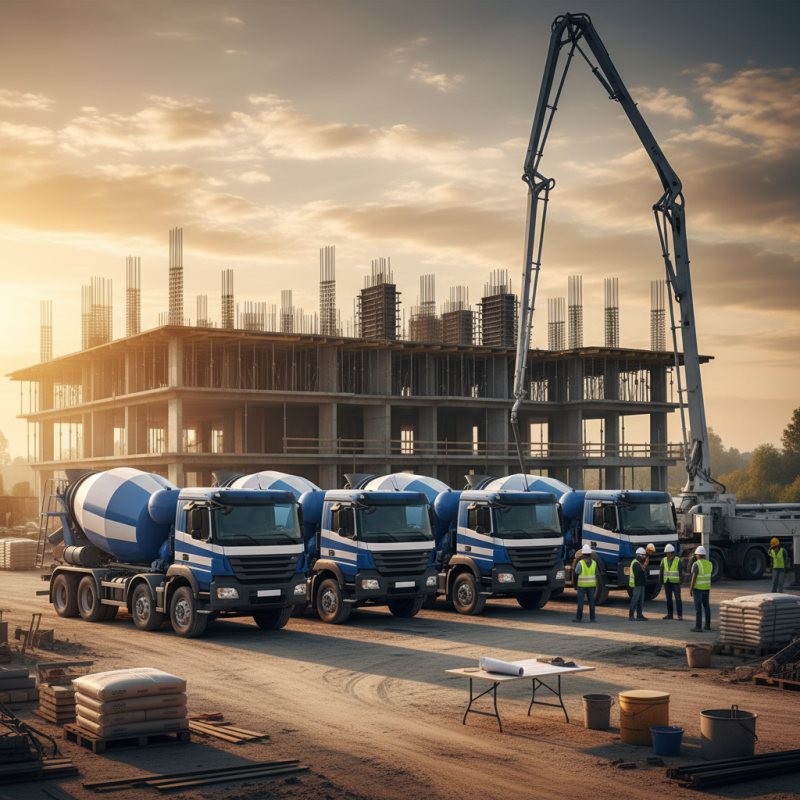
The efficiency of ready mix concrete cannot be overstated. According to a report by the National Ready Mixed Concrete Association, using ready mix concrete can save up to 20% in time on construction projects. This is crucial for contractors facing tight deadlines. With ready mix trucks, concrete is prepared off-site, reducing the time spent on mixing at the construction location. This method streamlines the entire process, allowing for quicker laying and setting.
Moreover, ready mix concrete minimizes waste. Studies show that project sites can see up to 10% less material wastage when utilizing ready mix technology. This not only helps in budget management but also in environmental sustainability. A project that consistently manages waste effectively often sees overall savings.
However, challenges still exist. For instance, reliance on delivery schedules means that any delays can halt a project. Miscommunication between the ready mix provider and the construction team can result in inadequate quantities being delivered. Hence, efficient coordination is paramount. While ready mix concrete offers tremendous advantages, careful planning is critical for maximizing its benefits.
Top 10 Benefits of Using Ready Mix Concrete Truck for Your Projects
| Benefit |
Description |
Impact |
| Efficiency |
Ready mix concrete is prepared in bulk, ensuring uniformity and minimizing preparation time at the construction site. |
Faster project completion. |
| Quality Control |
The mixture adheres to strict quality standards, which enhances the durability of the concrete. |
Increased lifespan of structures. |
| Labor Savings |
Less labor is needed at the job site since the mixing is done off-site. |
Reduced labor costs. |
| Flexibility |
Ability to customize mixes according to project specifications. |
Meeting specific project requirements. |
| Time Savings |
Reduced time in mixing and waiting, allowing for quicker job site turnover. |
Enhanced scheduling and resource management. |
| Reduced Waste |
Precise delivery reduces excess materials and minimizes waste. |
Cost savings and environmentally friendly. |
| Consistent Mixes |
Every batch of concrete is made to the same specifications for uniformity. |
High-quality results. |
| On-Site Convenience |
Scheduled deliveries mean concrete arrives when required without delays. |
Efficient workflow on-site. |
| Safety |
Reduces the risk of accidents related to manual mixing and handling of materials. |
Improved worker safety. |
| Environmental Benefits |
Minimized dust and emissions from reduced manual handling. |
More sustainable construction practices. |
Cost Comparisons: Ready Mix Concrete vs. Traditional Mixing Methods
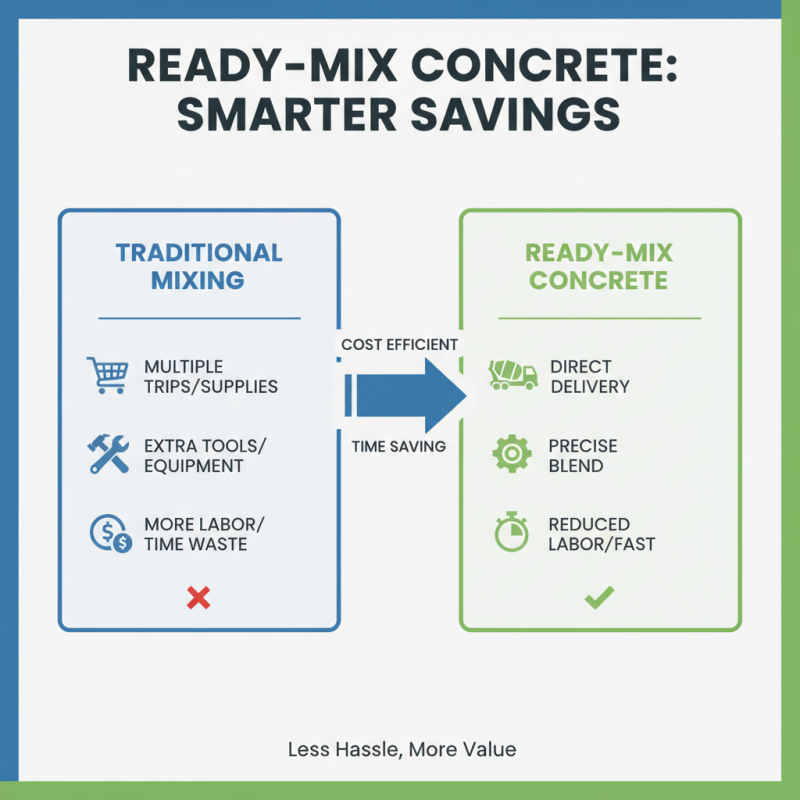
Ready mix concrete offers clear advantages over traditional mixing methods, especially in cost efficiency. Using a ready mix concrete truck reduces labor costs. You get a precise blend delivered directly to the site. This cuts down time spent on mixing and cleanup. Traditional methods often involve multiple trips to hardware stores. Each trip adds more costs. You may also need additional tools, increasing the overall budget.
However, there are challenges with ready mix concrete. If your project requires specific mixing ratios, it may not always meet your needs. Sometimes, the delivery can be delayed, causing disruptions. Plus, there may be limitations in customization compared to traditional methods. It’s essential to weigh these factors against potential savings. Understanding each method's pros and cons can lead to better project decisions. A thorough evaluation may reveal surprising costs associated with each approach. Always consider the specific requirements of your project before choosing.
Quality Assurance: Consistency in Ready Mix Concrete Production
Quality assurance is a vital aspect of using ready mix concrete in construction. The production of ready mix concrete offers consistent quality that is hard to achieve with traditional methods. A ready mix concrete truck delivers concrete with precise water-cement ratios. This consistency results in better, more durable structures.
Employing this method can minimize the risk of errors. Human mistakes often occur with on-site mixing. However, with ready mix concrete, you can expect uniformity in every batch. Each load is produced in controlled environments, ensuring that the mix meets specific standards. This can save time and reduce costs, but it also requires careful planning and reliable suppliers.
Yet, not all projects are the same. Specific environmental factors and varying site requirements might affect the performance of ready mix concrete. A one-size-fits-all approach may not be ideal for every project. You need to assess your specific needs for the best results. Balancing consistency with adaptability can be challenging but is necessary for successful outcomes.
Environmental Impact: Sustainability of Ready Mix Concrete Solutions
Ready Mix Concrete (RMC) is gaining popularity for its environmental benefits. Using RMC can significantly reduce waste at construction sites. The preciseness of the mix ensures no excess concrete is left over. This can lead to lower disposal costs and lesser landfill use.
The sustainability of RMC solutions also stems from efficient transportation. These trucks deliver concrete right to the site, minimizing the carbon footprint compared to traditional mixing methods. However, not all RMC operations are eco-friendly. Some may still rely on non-renewable resources.
It’s important to consider the entire lifecycle of the materials used. The manufacturing process, while efficient, can sometimes overlook local sourcing. This could mean higher emissions due to long-distance transport. Optimizing local supply chains could enhance sustainability further.
Safety Considerations: Reducing Workplace Hazards with Ready Mix Trucks
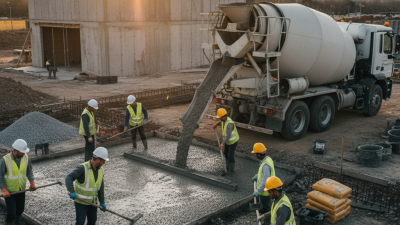
Ready mix concrete trucks enhance safety in construction sites. These trucks minimize manual handling of heavy materials.
According to the National Institute for Occupational Safety and Health (NIOSH), manual handling accounts for over 25% of work-related injuries. Using ready mix trucks reduces this risk significantly.
The design of ready mix trucks ensures materials are mixed correctly and delivered without spillage. This approach prevents slip and fall accidents, a common hazard on job sites. Data shows that nearly 60% of construction site injuries stem from falls. By ensuring a clean workspace, the trucks contribute to a safer working environment.
However, it’s vital to operate these trucks with care. Poor operation can lead to accidents, despite their safety features. Regular training for drivers can mitigate risks.
Construction managers should continually evaluate operations for improvement. Even with ready mix concrete trucks, vigilance remains essential to prevent hazards.